The five blocks of Calle Ocho between SW 12th and SW 17th Avenues look like very little through a windscreen: low shopfronts, striped awnings, a rooster statue, cars stacked up at the light. Stand on the pavement for ten minutes and it separates into parts. You hear dominoes clacking behind a fence, a sugarcane press whining at a fruit counter, a sandwich plancha hissing, a trumpet warming up in a back garden at five in the afternoon. This is a walking neighbourhood in a driving city, and that mismatch is the most useful thing to understand before you come.
What the five blocks actually hold
Calle Ocho (SW 8th Street, Little Havana) is the attraction: a working commercial street rather than a museum or a site with a gate, with a five-block core between SW 12th and SW 17th Avenues that takes about fifteen minutes to walk end to end if you don't stop, which you will. It is free, it has no opening hours and no door policy, and the pavements are wide enough that a group of eight to twelve can move along it without strung-out stragglers. Almost everything worth your time sits within a ten-minute walk of that stretch; there is exactly one exception, and it is twenty blocks west.

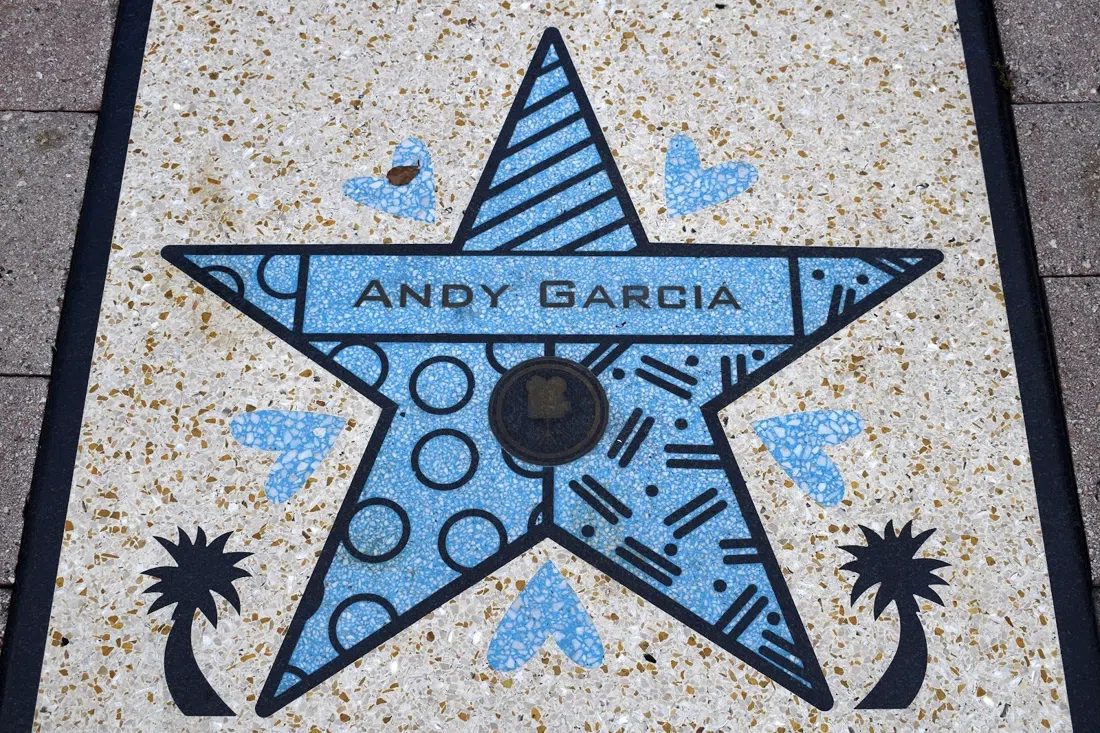
At some point, look down. The Little Havana Walk of Fame (pavement between SW 12th and SW 17th Avenues) sets stars into the sidewalk honouring Hispanic artists, and most visitors walk the length of it without ever noticing. It runs along a busy shopping stretch, so read them in ones and twos. A group of ten stopped in front of a shop door is the fastest way to become the thing locals resent.
The dominoes are a club, not a display
Máximo Gómez Park (Calle Ocho at SW 15th Avenue), which everyone calls Domino Park, is the most photographed corner in the neighbourhood and still, genuinely, a club rather than a set piece. Play is members-only, and the club card is free and lifetime for the over-50s, so visitors watch from the perimeter benches. Guides ask groups to keep their voices down and not lean over the tables, and that is the correct instruction: these are people mid-game, not performers on a break.
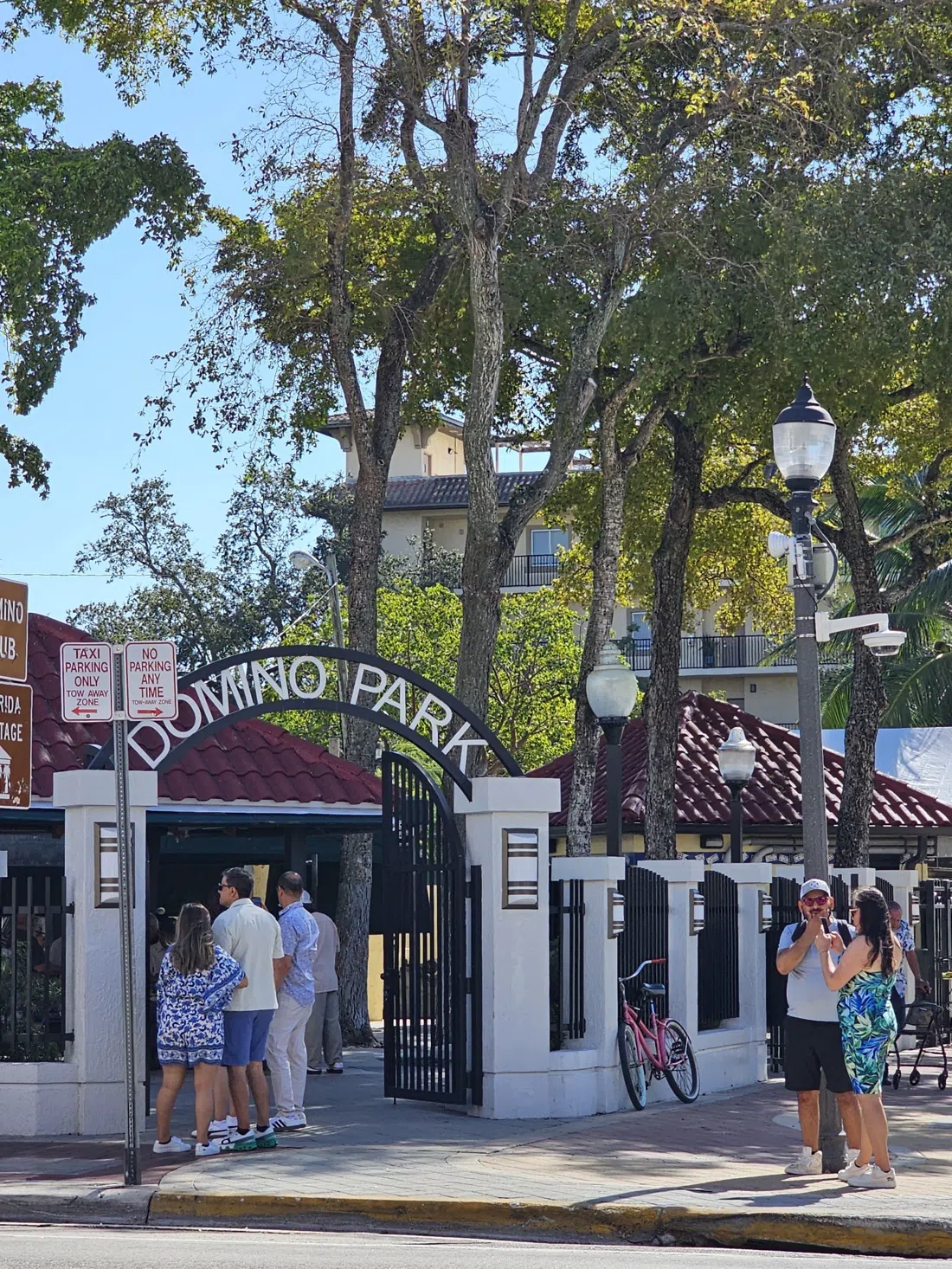
Two rules matter. Ask before you photograph a face, and don't ask to join in, because you won't be playing. Ten minutes at the railings, watching the speed at which the tiles go down and listening to the arguments in Spanish, is worth more than twenty photographs of the same four men.
Fifteen minutes that make the rest legible
Cuban Memorial Boulevard Park (SW 13th Avenue, a few steps off Calle Ocho) is the part most self-guided visitors skip, and skipping it is why the rest of the street can read as a theme park. The Bay of Pigs monument, the plaza for murdered journalists and the ceiba tree together explain why this neighbourhood exists at all: an exile community that arrived after 1959 and built a street that looked like the one it left. It is free, open, and takes a quarter of an hour.
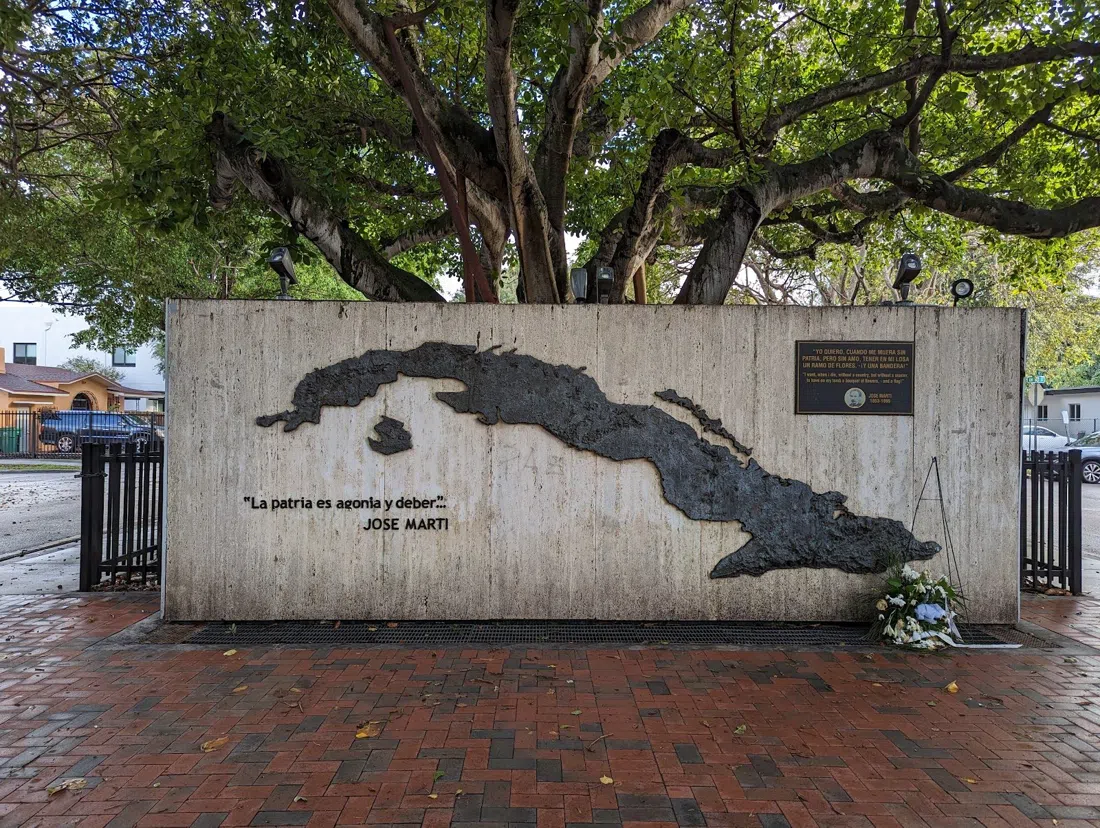
Go here first if you can. It is also an active place of mourning: people leave flowers, and groups should keep the volume down accordingly.
Eating your way along the street
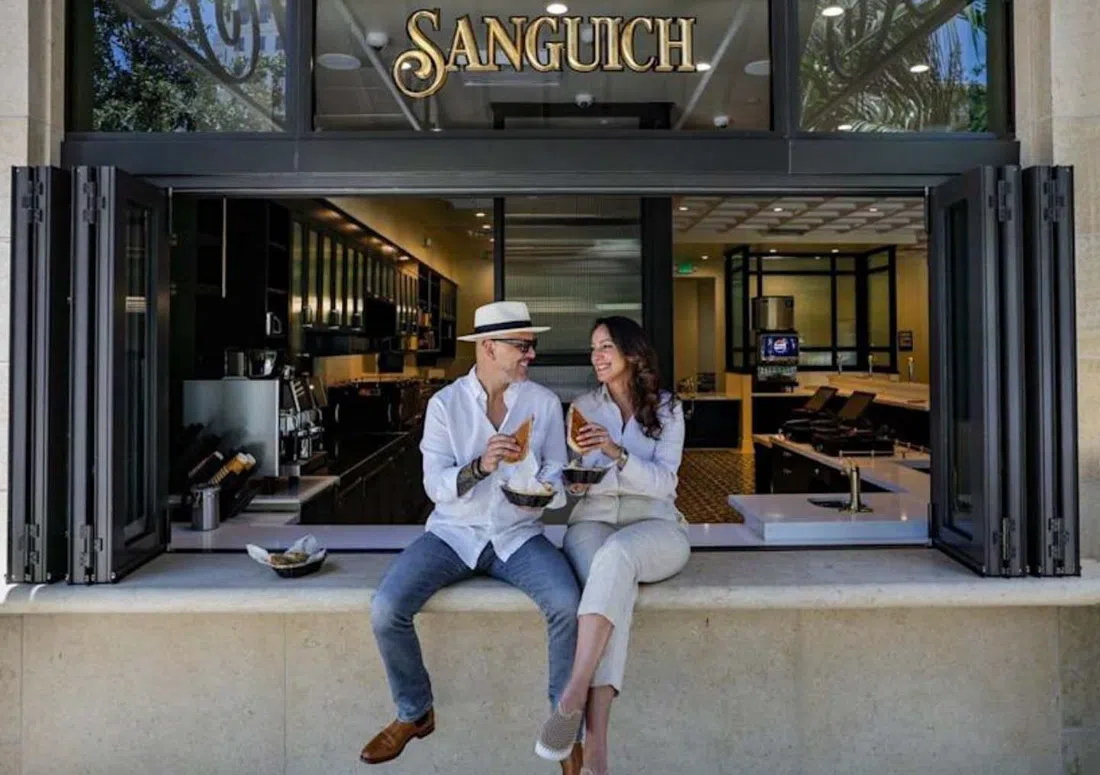
Sanguich de Miami (Calle Ocho core) is the benchmark Cuban sandwich and a Michelin Bib Gourmand pick from 2022 through 2026: house-cured pork, bread pressed to order, roughly $14-19. There are no reservations, the counter and dining room are small, and the queue goes out of the door at lunch. With a group, split into twos or send one person ahead to order while the rest look at the Walk of Fame. It closes at 6pm, so it is a lunch stop and never a dinner plan.
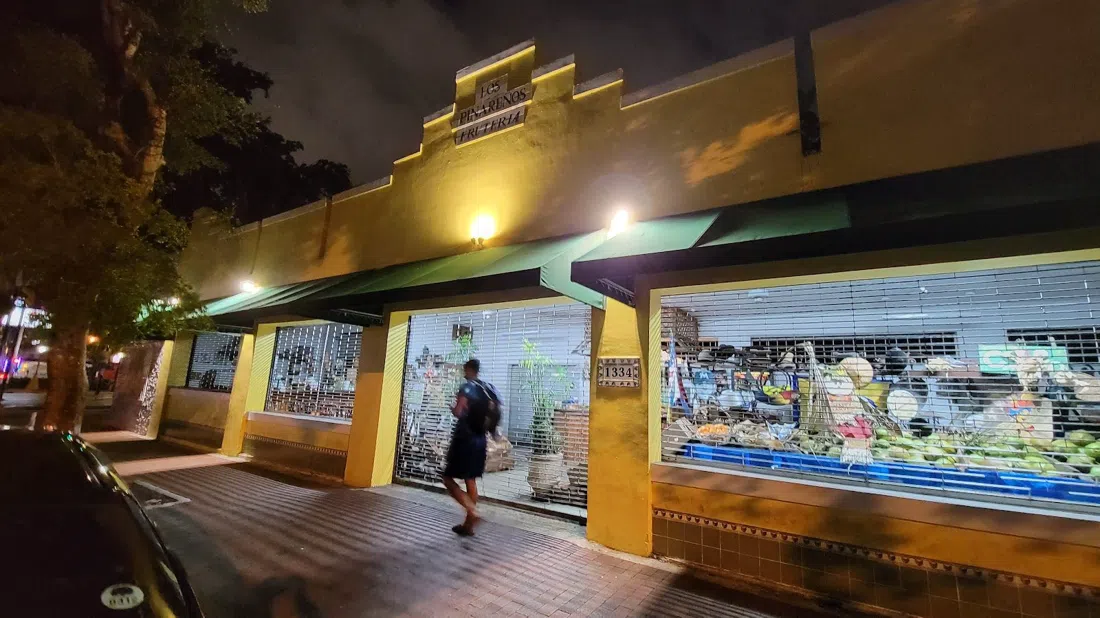
Los Pinareños Frutería (Calle Ocho, east end of the core) is the least reconstructed thing on the street: a family fruit stand and juice counter going since the 1960s, open to the air, cash-friendly, with no seating to speak of. Fresh sugarcane guarapo or a mamey batido runs about $4-8. The catch is timing. It shuts around 4pm, earlier on Sundays, just as the bars are waking up, so come in the morning. A small group is fine at the counter; a dozen people will block the pavement.
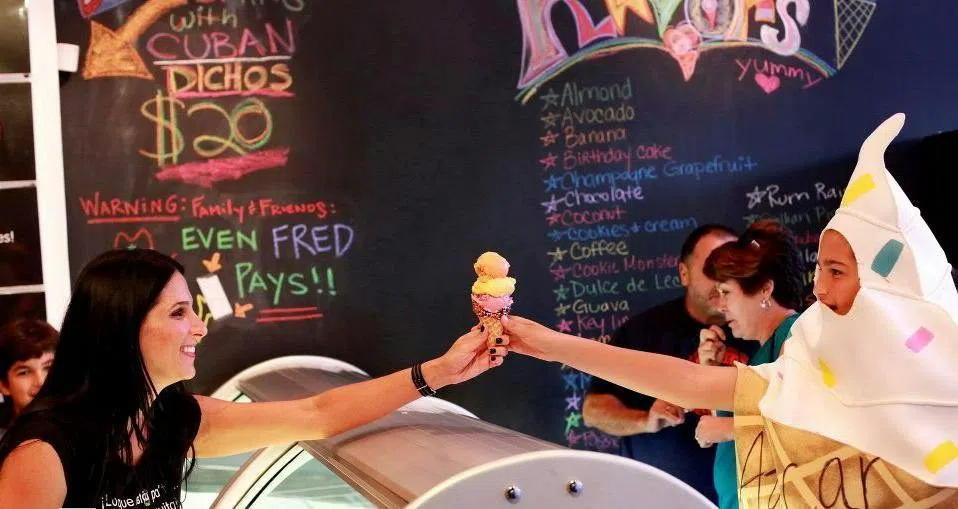
Azucar Ice Cream Company (Calle Ocho core) is a two-minute stop by design, which is why it lands in nearly every walking route. Counter service, no bookings, scoops around $6-9, and the Abuela Maria (guava, cream cheese and crushed Maria biscuits) is the one to order. Groups queue on the pavement and eat outside; nobody minds.
The one stop that isn't a stroll: Versailles Restaurant (3555 SW 8th Street, west Little Havana) sits about twenty blocks west of the walkable core, so it is a short bus ride or a five-minute car hop rather than a walk. It has been the Cuban-exile institution since 1971, it is built for volume and used to coach parties and long tables, and the ventanita, the coffee window, is where local politics is still argued out loud over a colada under $4. Mains run roughly $16-32. Walk-ins are fine, but expect a wait at weekend lunch.
Cigars rolled in front of you
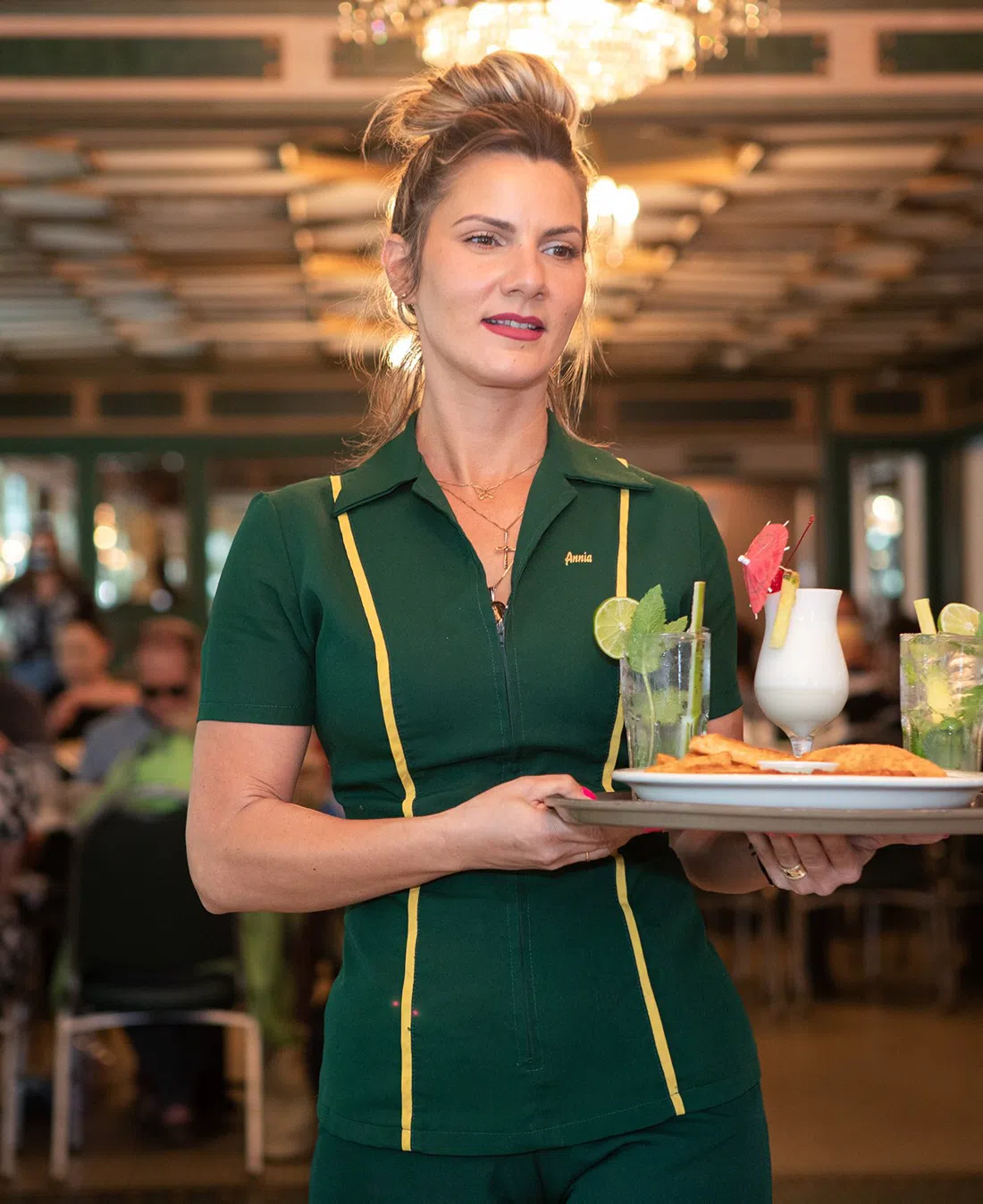
El Titán de Bronze Cigar Manufacturer (Calle Ocho core) is a working factory, not a rolling table set up for photographs: Cuban-trained torcedores have been rolling here since 1995, and you watch them from the shop floor. Looking is free, cigars are roughly $10-20 each, and the room is small enough that anything above a handful of people should phone ahead.

The hours catch more visitors out than anything else in this guide: Monday to Friday, 10am to 3pm, closed weekends. If your only free day is Saturday, accept that you will see the shop and not the work.
Art you can walk into without a ticket
Cubaocho Museum & Performing Arts Center (Calle Ocho core) holds a serious private collection of pre-revolutionary Cuban painting, and you can see it for the price of a mojito. Walking in and looking is free, drinks are $12-18. It handles groups properly, including cocktail receptions and full buyouts, arranged by email. It is closed on Mondays, which is worth checking the day before rather than discovering at the door.
Futurama 1637 Art Building (1637 SW 8th Street) is twelve working studios with rotating group shows, open seven days and free. Small groups can meet artists in their studios; larger visits are better arranged in advance, and the building is at its liveliest on the last-Friday art walk. It is the one address on Calle Ocho where you meet living Miami artists rather than buy a painted rooster.
Where the music starts
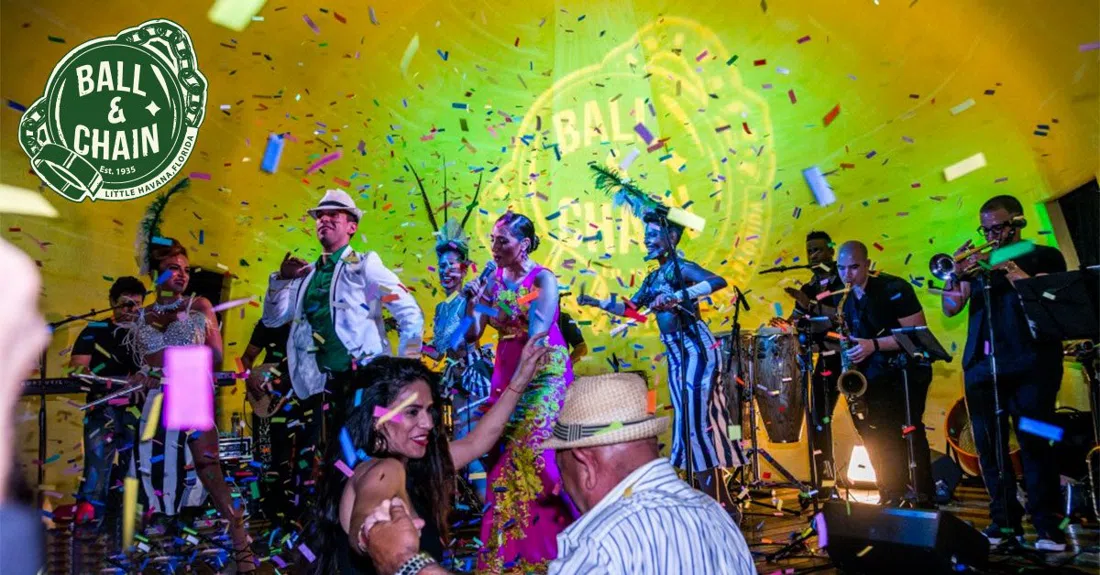
Ball & Chain (Calle Ocho at SW 15th Avenue) is the reliable anchor: a 1935 jazz room revived in 2014, with a back garden that absorbs large parties. Go late afternoon, when the garden band starts and the crowd is still a mix of locals and visitors. Cocktails are about $14-18, mains $18-30, and there is usually no cover. It takes reservations and hosts private events; weekend evenings fill, and walk-in groups wait.
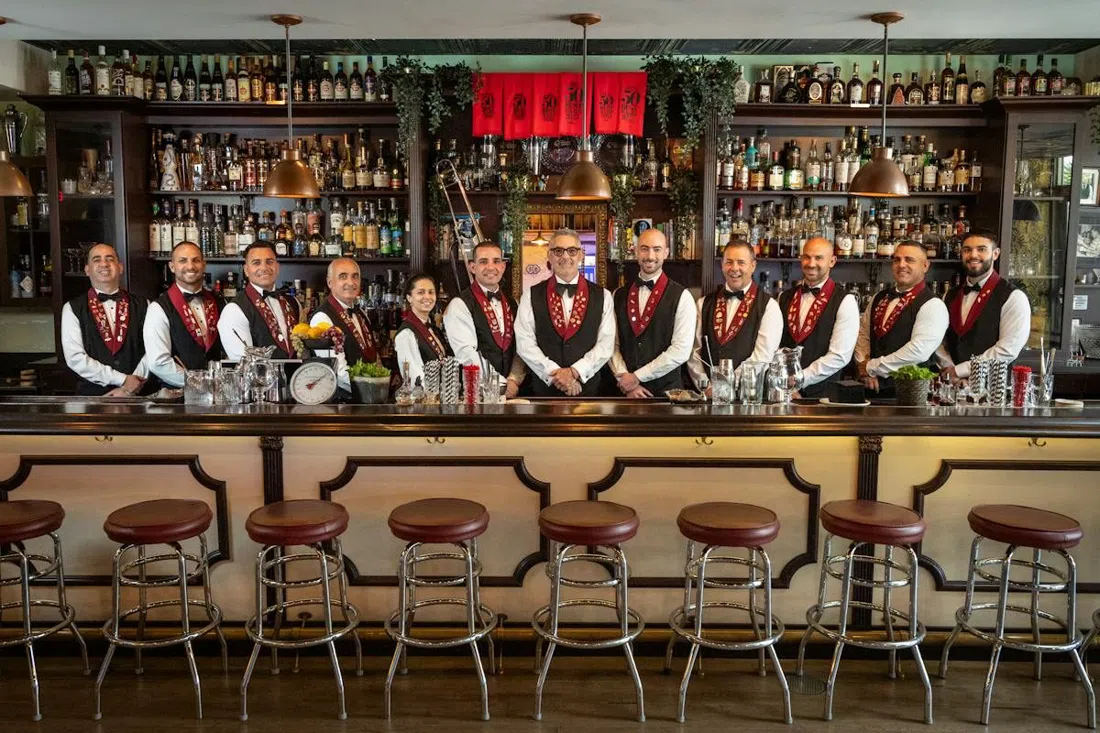
Café La Trova (Calle Ocho core) is the best drink in the neighbourhood by a distance, with theatrical cantinero service from Julio Cabrera's team, ranked No. 42 on North America's 50 Best Bars in 2026. Cocktails run around $16-20, small plates and mains $16-38. It opens at 4pm, so it is an evening stop rather than a daytime one, and the bar is tight: a group of four fits easily at six o'clock, a group of ten after eight does not. There is a dedicated private-events room if you are a party with a plan.
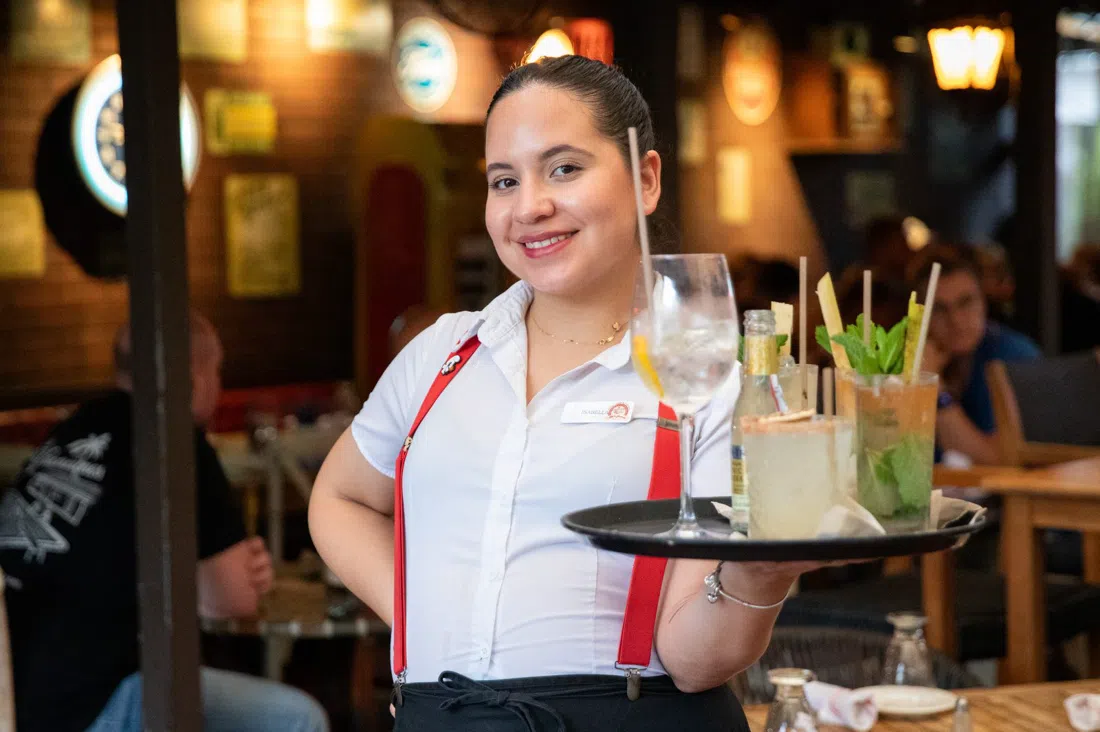
Old's Havana Cuban Bar & Cocina (Calle Ocho core) lays the pre-revolution staging on thick, and the kitchen and house band are both good enough that it doesn't matter. Mojitos are roughly $13-16, mains $18-34, and happy hour from 4-7pm Monday to Thursday is the easiest window to get a group seated. It is open daily and takes groups, which makes it the most walk-in-able live-music dinner in the core.
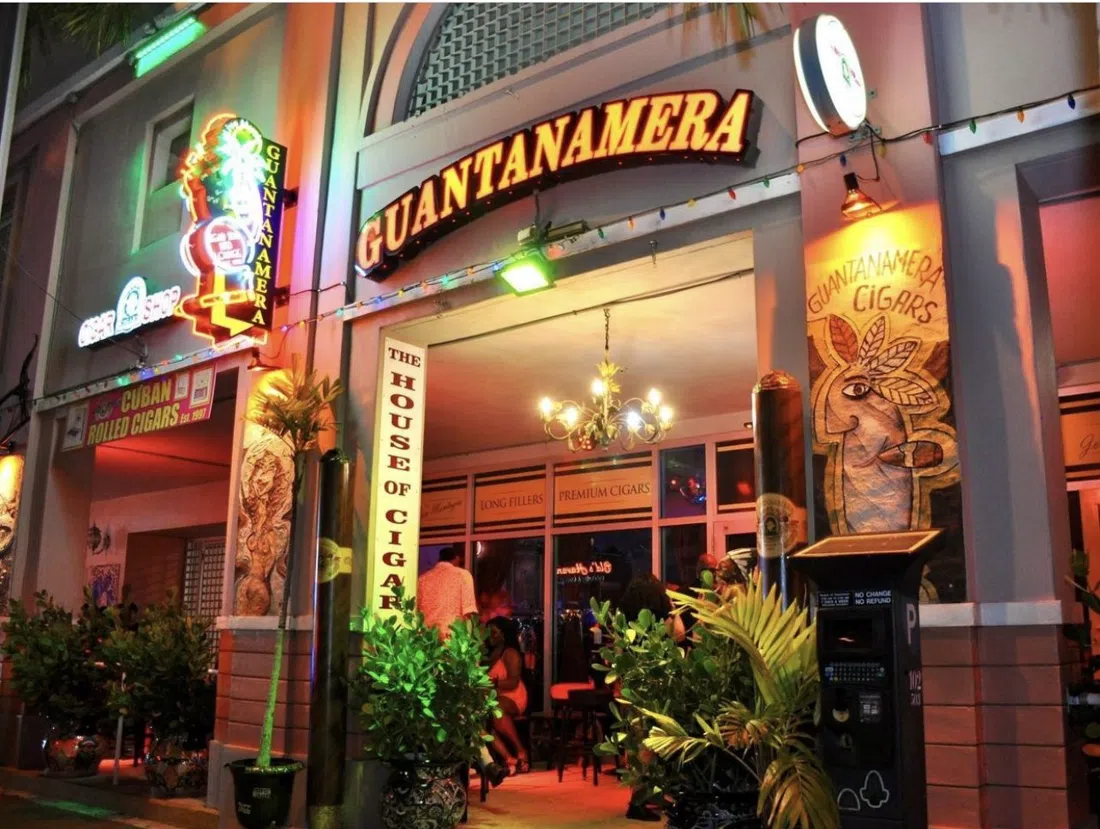
When the kitchens stop, Guantanamera Cigars & Café (Calle Ocho core) keeps going until 3am from Thursday to Sunday: hand-rolled cigars $10-25, cocktails $12-16, coffee under $5, and a band that turns a cigar shop into something nearer a club. The lounge is long and narrow, so book if you want your group at adjoining tables. It is a smoking room, which rules it out for some people entirely.
How long the walk takes
The core strip, walked properly with the park, the memorial, the factory and two or three short food stops, is a two-and-a-half to three-hour morning. Add a sit-down lunch and it becomes four. Add Versailles and an early-evening drink with a band and you have filled a day. Anything shorter than about two hours and you are just looking at shopfronts.
Paying at the door or booking a guide
Nothing here charges admission. The street, the parks, the Walk of Fame, the galleries and the factory floor are all free; your money goes on food, drinks and cigars. So the honest question is not whether to pay to get in, but whether to pay someone to walk you round.
Guided small-group food walks of Calle Ocho start from 70 USD per person and run seven days a week. What that buys is tastings you don't queue for individually, and someone who knows which rollers are working today, which bands start when, and how to stand at the domino fence without causing offence. What it costs you is flexibility: you eat where the route eats. If you are confident, curious and happy to queue, this is a very walkable street on your own. If you have limited time, or you want the history rather than the photographs, the guide earns the fee. Book ahead either way, because some departures of the most popular walk are already fully sold out on 26 November 2026, while other dates are still bookable.
Doors, groups and who suits what
The split is clean. Places that take bookings and handle a party: Ball & Chain, Old's Havana, Guantanamera, Cubaocho and Versailles. Places that don't book and where a group has to adapt: Sanguich, Azucar and Los Pinareños, counters all of them, with pavement overflow. Café La Trova is the couples-and-fours room; it is also the one place where turning up ten-handed at nine on a Saturday will not go well.
Máximo Gómez Park and Cuban Memorial Boulevard Park are free and open to everyone, and both come with the same unwritten rule: lower your voice and ask before you point a camera at a person.
Is it worth it
Yes, with a caveat. Little Havana is not a preserved historic quarter and parts of Calle Ocho are frankly touristy: the roosters, the T-shirts, the rolling demonstrations aimed squarely at cruise passengers. But the domino club is real, the frutería is real, the factory is real, and the memorial park is the reason all of it is here. Walk the five blocks with your eyes open and you get an hour of genuine Miami for the price of a sandwich and an ice cream.
It suits anyone who likes eating and walking in the same afternoon, anyone interested in exile history, and small groups generally, because this street works far better for six people than for twenty-six. It suits less well anyone who needs air conditioning, anyone travelling with toddlers in the midday heat, and anyone expecting Havana itself.
Best time to go
Mornings, for anything that closes: the factory works Monday to Friday, 10am to 3pm, and Los Pinareños shuts around 4pm and earlier on Sundays. Late afternoon, from about four, is when the street turns over. Café La Trova unlocks the door, Old's Havana starts happy hour, and the garden band at Ball & Chain makes the best hour of the day for the price of one cocktail. A start at 10am and a finish at 7pm covers both halves.
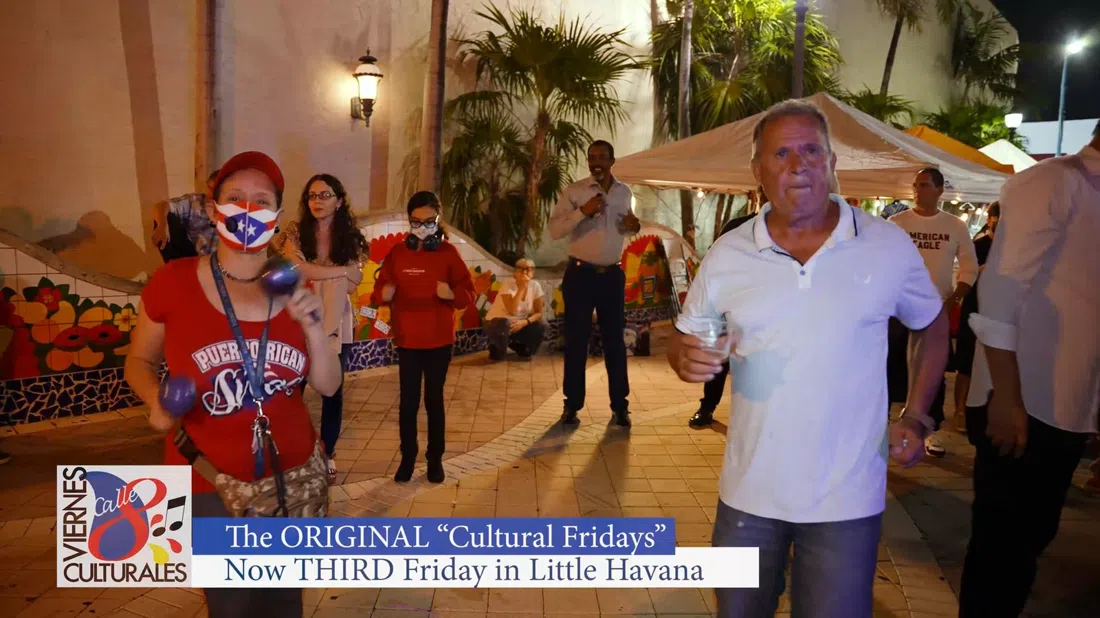
Day of week matters more here than season. Avoid Monday if the art is the point, because Cubaocho is closed. Avoid a weekend-only trip if you want to see cigars rolled. And if your dates have any flex at all, land on the last Friday of the month for Viernes Culturales, a free open-air art-and-music street festival from noon along SW 8th Street between 8th and 27th Avenues, when the neighbourhood roughly doubles in life. A complimentary guided local history walk with Dr Paul George sets off at 7pm, but it needs registering in advance.
Seasonally, this is an outdoor walk in a subtropical city: December to April is the comfortable half of the year, and from June onwards you want the morning slot and a plan for an afternoon downpour. Shade is patchy along the core, so carry water whatever the month.
Getting there, paying and budgeting
There is no train station on Calle Ocho. Most people arrive by rideshare from Brickell, downtown or the beaches (fifteen to twenty-five minutes depending on traffic), or on the city bus that runs the length of SW 8th Street, which is also the simplest way to hop the twenty blocks west to Versailles and back. If you drive, use a side street off SW 8th rather than circling the main drag, and pay by app.
Cards work almost everywhere, but carry $30-40 in small notes for the fruit stand, the ice cream counter and tips; US service tipping runs 18-20% at sit-down tables, a dollar or two at a counter. Budget roughly $40-60 a head for a self-guided day with a sandwich, a juice, ice cream and one drink; double that if dinner is at Café La Trova with cocktails.
For where to sleep, the Brickell and downtown side of the river puts you a short hop away without staying on a loud commercial street. Start with a Miami hotel search, and if you are building the rest of the trip around this morning, the wider Miami guide covers the beaches, the design districts and how the city fits together.