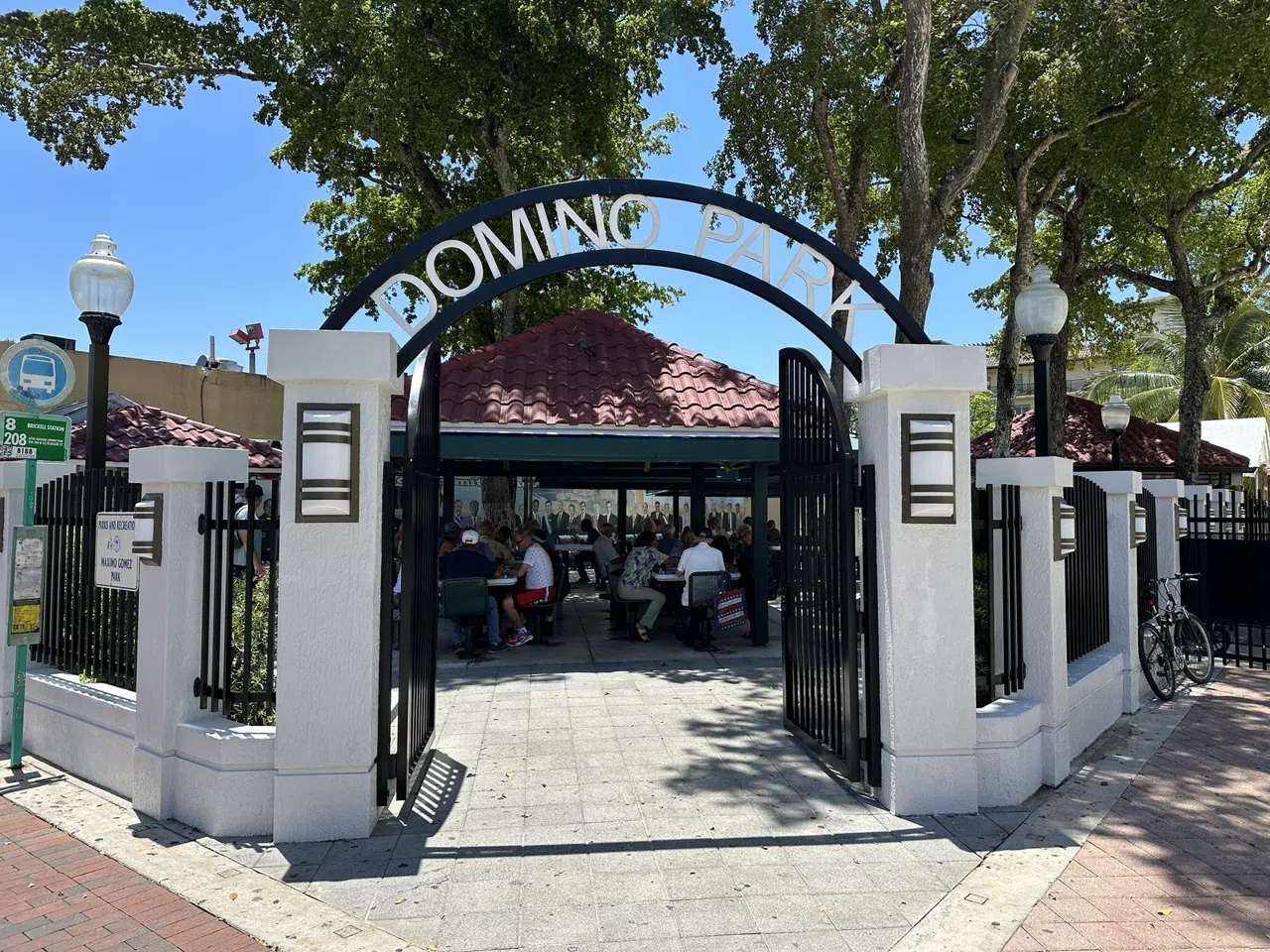
Calle Ocho runs dead straight through the middle of Little Havana, and by nine in the morning the ventanita windows already have three deep in line for a cortadito. Down at Máximo Gómez Park, the domino tables under the shade structure are reserved for players over fifty — everyone younger just leans on the fence and watches, drink in hand, while a rooster picks its way along the sidewalk like it owns the block. This isn't a recreated version of Cuba built for tourists. It's the real diaspora, still cooking, still playing music, still arguing in Spanish at full volume.
What Little Havana is known for
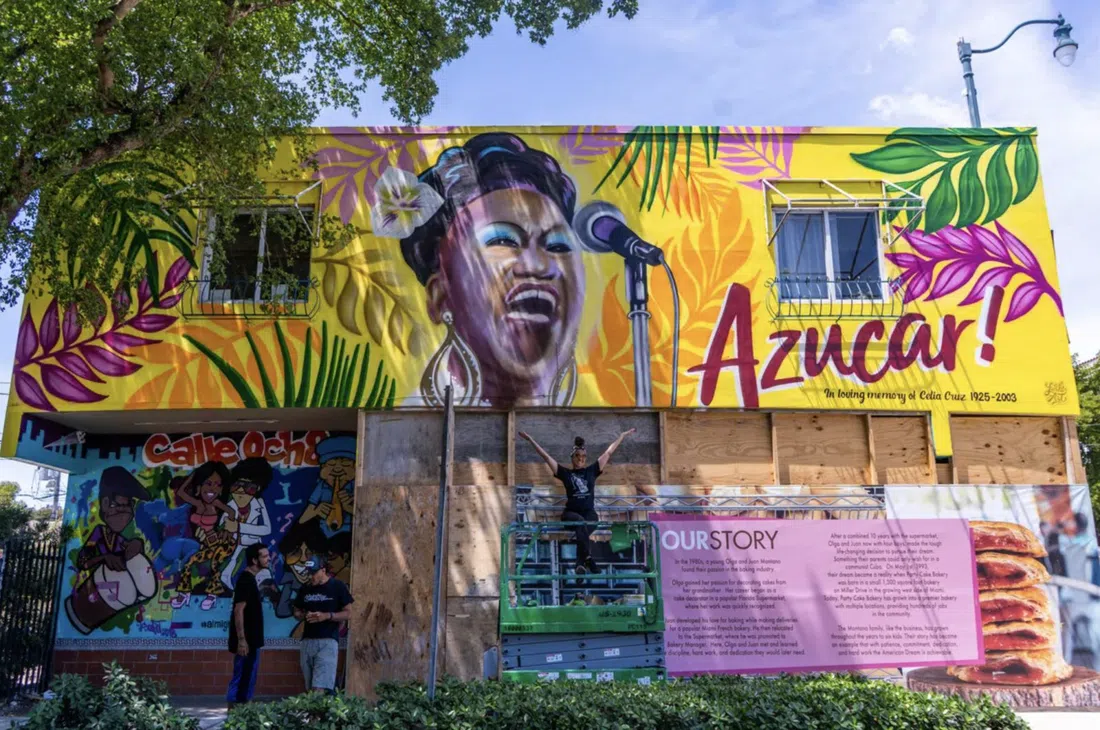
Little Havana is Miami's Cuban exile community made physical. After the 1959 revolution, tens of thousands of Cuban refugees settled in this stretch of the city, and Calle Ocho — SW 8th Street — became the main street in the truest, most literal sense: the place to buy a cortadito, find a botánica selling saints and candles, watch a cigar roller work through a shop window, and see the neighbourhood's own history painted directly onto its walls. The murals along Calle Ocho work almost like a civic memory — Celia Cruz rendered in blazing colour above a storefront, tributes to Cuban patriots dotted between auto shops and jewellery stores.
None of it is staged for visitors, which is what makes it work. The botánicas sell to people who actually practice santería, the domino players at the park have been meeting for decades, and the ventanitas fill up first with locals on their way to work, tourists second. Little Havana rewards a first-time visitor who wants Cuban food and music that hasn't been softened for a hotel lobby, and it works just as well for cigar-and-cocktail types, since hand-rolled cigars from working factories and a genuine World's 50 Best bar sit within two blocks of each other. What it doesn't offer is a beach — the sand is a 20-25 minute drive or rideshare away, and there's no waterfront here at all.
Where to eat and drink
Start where the neighbourhood starts its own day: at a ventanita, the walk-up coffee window bolted to the front of half the storefronts on Calle Ocho. Order a cortadito — espresso cut with steamed milk — and a guava pastelito, and you'll pay under $2.50 for the pair. It isn't a tourist prop; it's the actual daily ritual, the version of a coffee run that predates the neighbourhood's mural tours by fifty years.
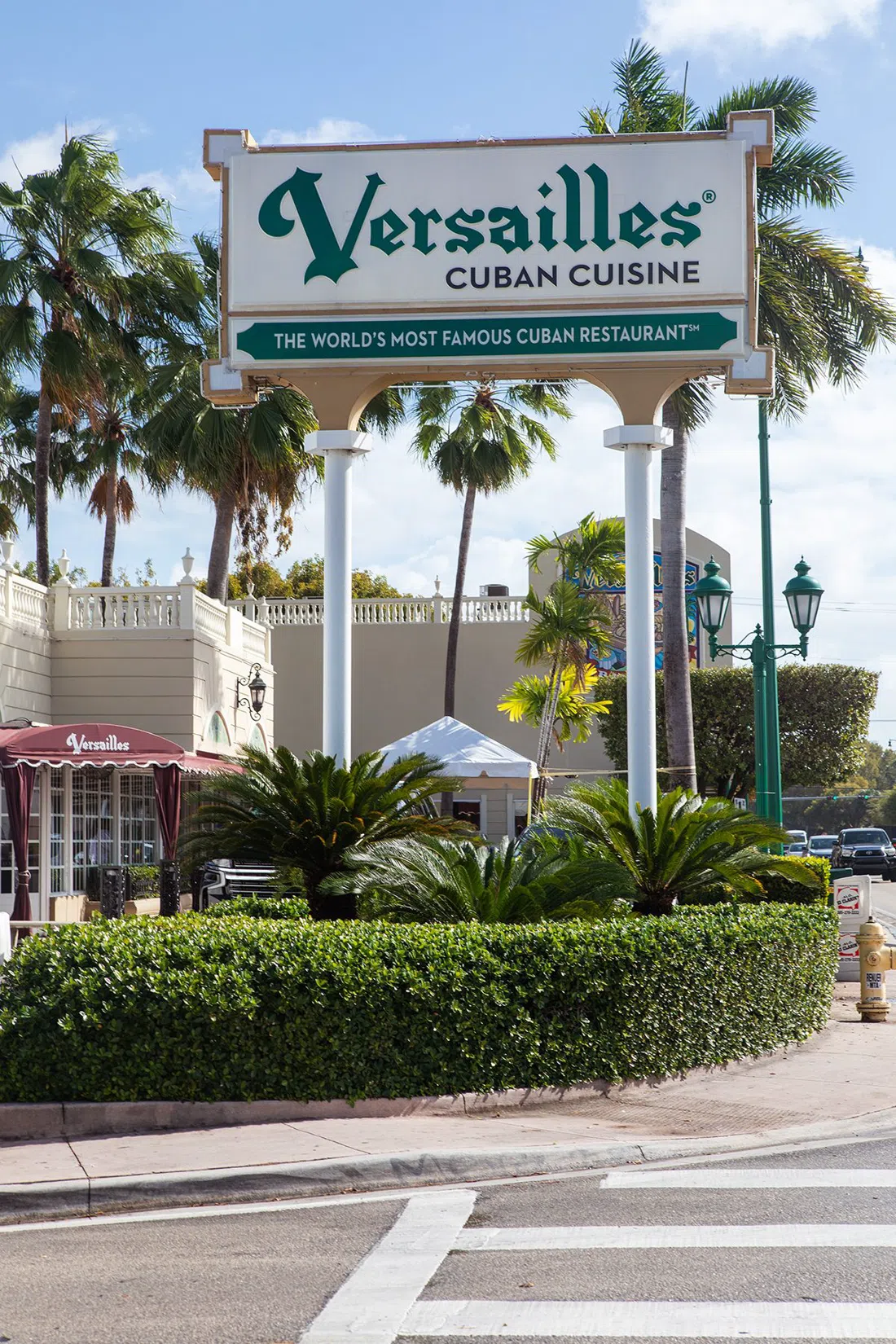
Versailles Restaurant (3555 SW 8th St) is the anchor everyone eventually visits — open since 1971 and billed as the most famous Cuban restaurant in the city, its mirrored dining room has fed generations of Cuban Miami over croquetas, vaca frita and Cuban sandwiches that arrive pressed and dripping.
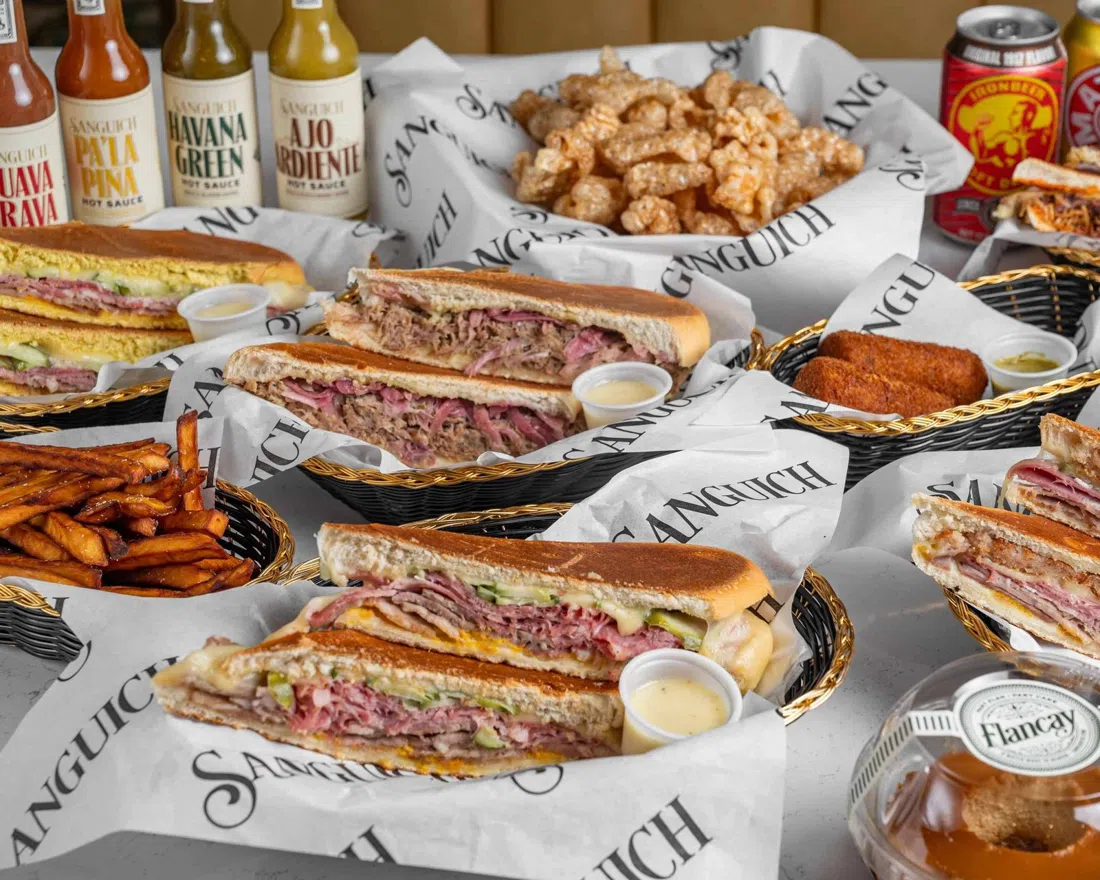
For the sandwich itself, though, the sharper argument sits a few blocks away at Sanguich de Miami, which holds a Michelin Bib Gourmand and gets cited more often than any other kitchen in the city as the best Cubano in Miami — pressed to order, the ham and roast pork still warm through the crust.
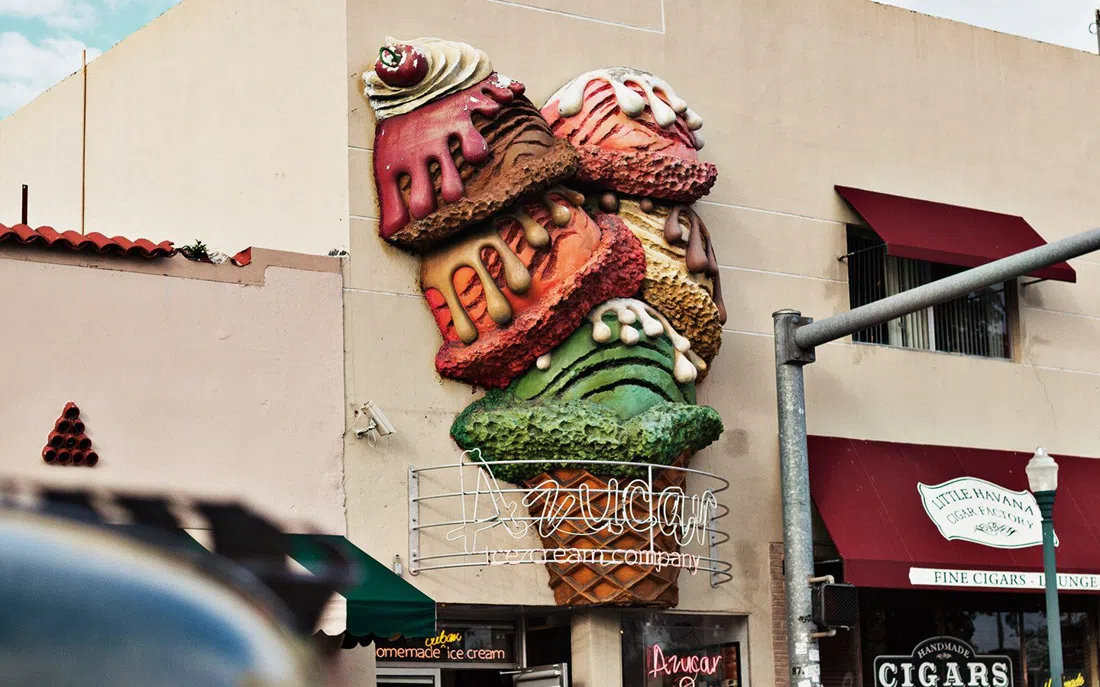
Cool off afterward at Azúcar Ice Cream Company, an artisanal counter on SW 8th Street doing Cuban-flavoured scoops — ruby mamey, guava, cafe con leche — that taste like the neighbourhood distilled rather than a novelty spin on it.
And when the sun goes down, Café La Trova is the drink to know: a regular on the World's 50 Best Bars list, run in cantinero style by Julio Cabrera's team, with live music threaded through the cocktail service rather than bolted on as background noise. Budget for the swing between these two modes — a cortadito costs less than a bus fare, but a night that runs from Sanguich to a cigar-factory sit-down to proper cocktails at La Trova is where the evening spend actually climbs; a Cuban sandwich alone runs $10-12.
Nightlife
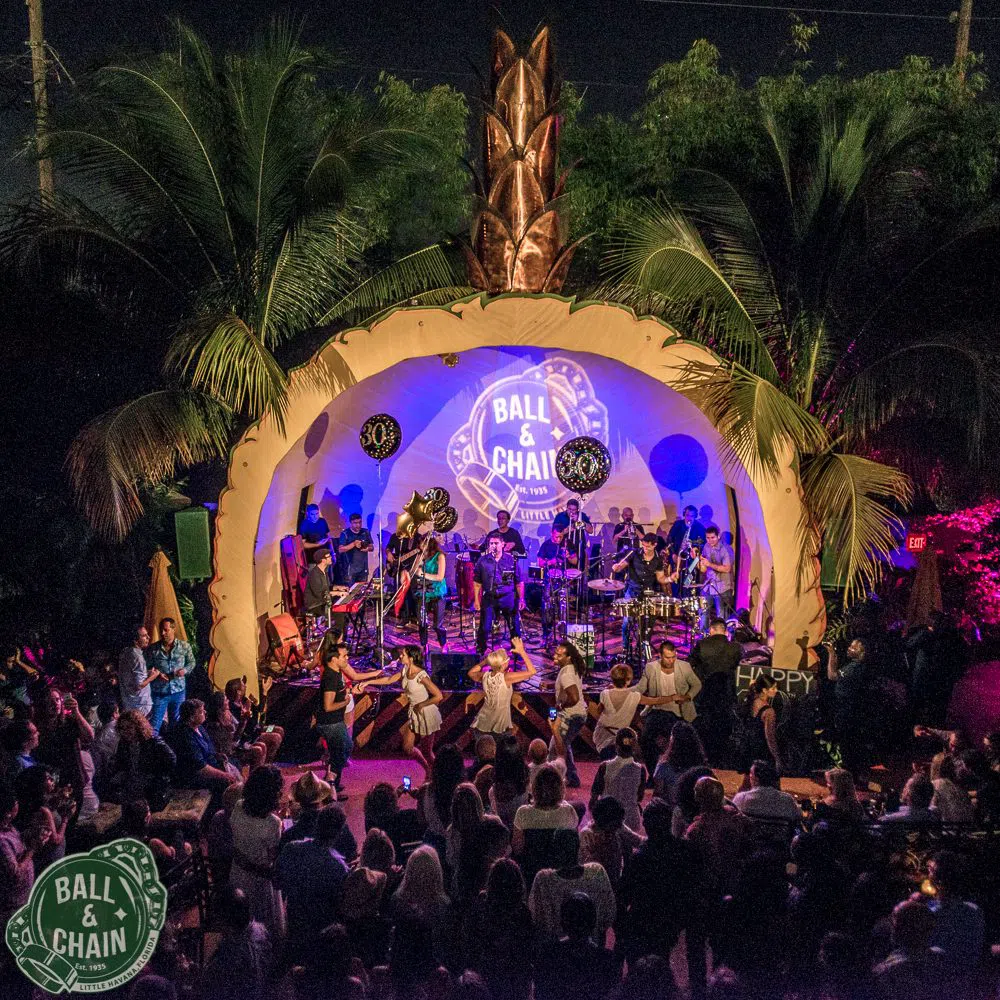
Ball & Chain (1513 SW 8th St) is Little Havana's nightlife anchor, and it earns the title honestly: housed in a 1935 building, it runs live salsa, mambo and jazz most nights of the week with no cover charge, mojitos moving steadily through a tropical courtyard, and a stage that feels built for exactly this. Sabor Wednesday is the night to plan around if you can't dance yet — a free beginner salsa class at 9pm gets you through the basics before the live band takes over and the courtyard actually fills.
A few blocks over, Cubaocho Museum & Performing Arts Center runs a genuinely rare double life: by day it's a serious collection of Cuban art, and by night the same rooms turn into a live-music venue with a rum bar and a cigar lounge going at once. It's the kind of place that makes the neighbourhood's pitch to visitors — a night of live salsa without a cover charge or a velvet rope — feel less like marketing copy and more like a simple description of a Tuesday.
Things to do
Máximo Gómez Park — everyone just calls it Domino Park — is the essential stop, and the neighbourhood's social heart since the 1970s. It sits right on the corner of SW 8th Street and 15th Avenue, and the domino tables belong strictly to players aged fifty and over. Go mid-morning or mid-afternoon to catch the games in full swing; anyone can stand at the fence and watch, which is exactly what most visitors do.
From there, the mural corridor along Calle Ocho is worth walking slowly rather than photographing on the move — the Celia Cruz portrait is the one everyone stops for, but the whole stretch works as an open-air record of who this neighbourhood considers its own.
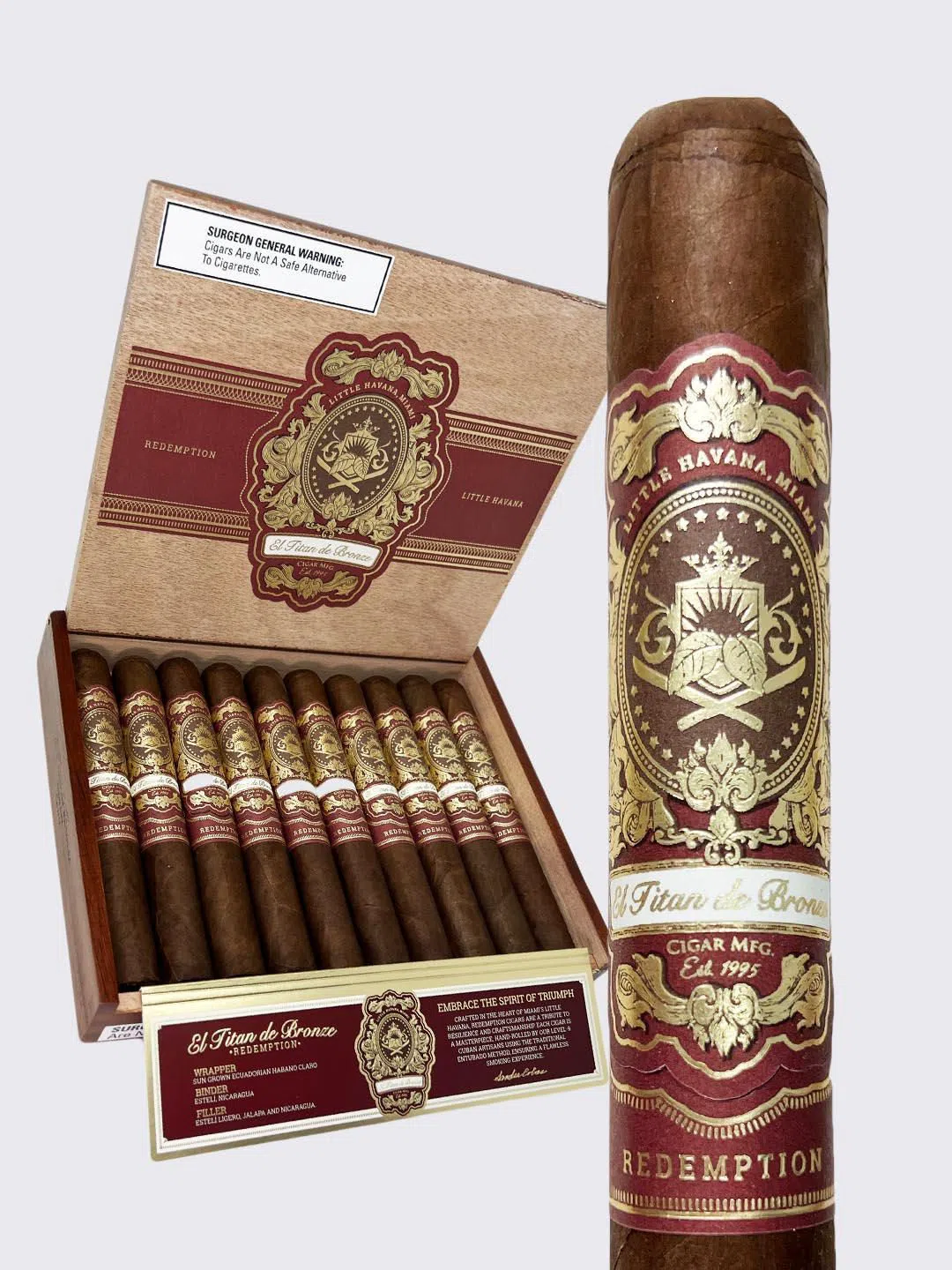
For something you can watch happen in real time, El Titan de Bronze is a family-run cigar factory and shop that's been hand-rolling since 1995, with the work visible right through the front window — leaf sorted, rolled and pressed a few feet from the till.
Time it right and you can fold in Viernes Culturales, held the last Friday of the month — a free evening of live music and gallery openings up and down the strip that turns an ordinary Calle Ocho evening into something closer to a street festival.
Shopping
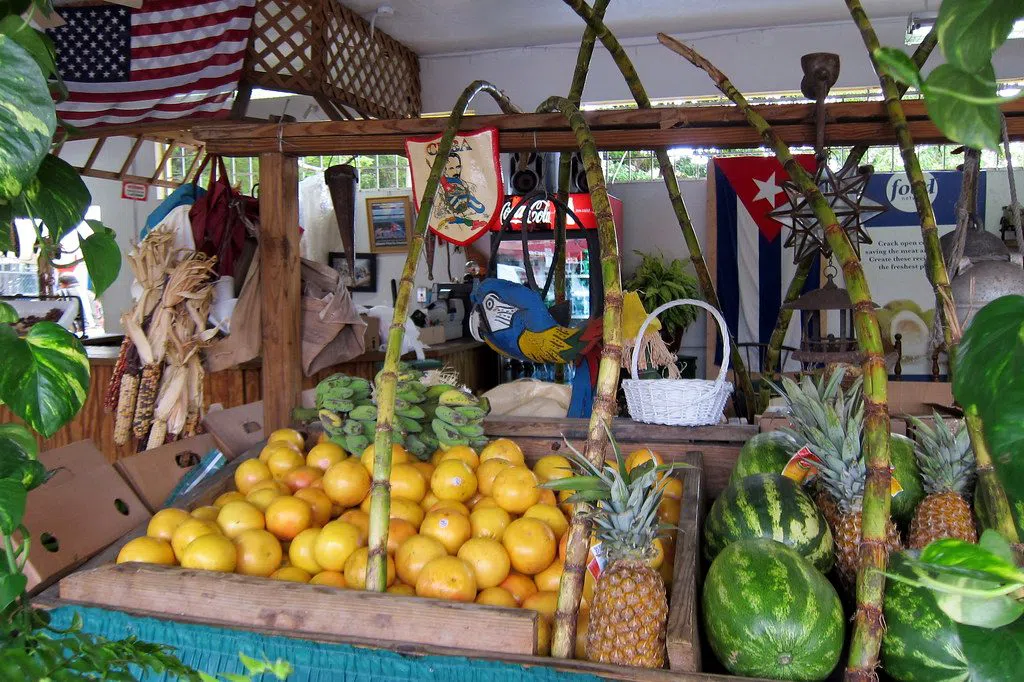
Shopping here is about ingredients and craft rather than boutiques. Los Pinareños Frutería, a fruit stand on Calle Ocho, is where several of the neighbourhood's kitchens actually source their produce — Azúcar's ice cream counter among them — and its crates of ruby-red mamey are worth a look even if you've got nowhere to cook it.
Beyond the frutería, the shopping instinct in Little Havana runs toward the botánicas selling saints and candles, and toward cigar shops like El Titan de Bronze where the "purchase" is really just permission to watch the roll happen up close. Bring cash for the smaller stalls, and treat the frutería and the ventanitas as errands worth doing on foot rather than a formal shopping itinerary.
Where to stay in Little Havana
Little Havana works better as a destination for an evening than as a home base. Most visitors sleep in Brickell or Downtown, both a short drive or trolley ride away, and treat Calle Ocho as the food-and-music outing rather than the neighbourhood they wake up in — a fair trade, since Little Havana gets loud after dark and doesn't offer much of a quiet hotel scene. A small number of properties do sit inside the neighbourhood itself, including Selina Miami River, for travellers who'd rather walk home from Ball & Chain than rideshare there.
Getting around
The free Miami Trolley's Little Havana route is the easiest way to move along the neighbourhood without a car: it runs the length of Calle Ocho, connects to Brickell Station, and covers 32 stops, operating roughly 6:30am to 11pm on weekdays and Saturdays, and 8am to 8pm on Sundays. Metrobus Route 8 also cuts through along Flagler Street if the trolley's timing doesn't line up.
Driving in is straightforward too — Little Havana sits about 10-15 minutes by car or rideshare from Brickell and Downtown, 20-25 minutes from South Beach, and 15-20 minutes from Miami International Airport. Once you're there, stick to the main Calle Ocho corridor, especially between 13th and 17th Avenues; it's busy and well-lit well into the evening and feels safe to walk. The side streets and blocks east of 17th Avenue quiet down fast and get poorly lit after dark, so that's where a rideshare beats a walk.