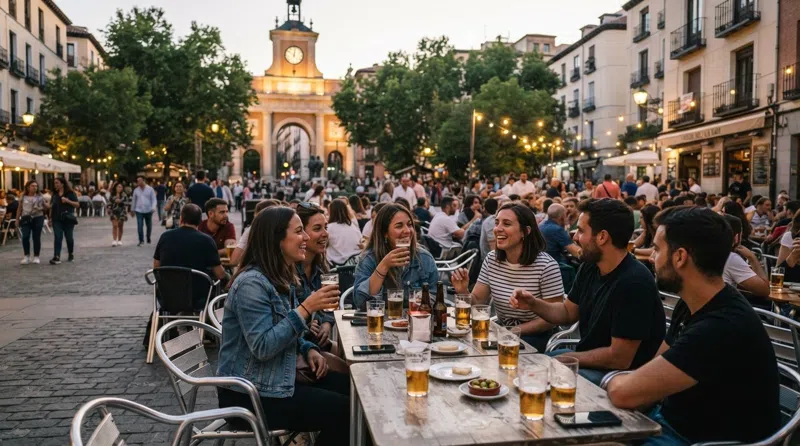
Turn the radio dial anywhere in Miami and you're driving through eras: the syncopated snap of 1980s freestyle bleeding into the trunk-rattling low end of Miami bass, then sliding into the reggaeton and Latin-urban sound that now runs every rooftop, patio and megaclub from Little Havana to Brickell. This is a city where the sound never really changed hands — it just got louder speakers and later closing times. Follow it one room at a time and you're tracing the actual lineage, not a playlist.
For the full rundown on where to stay and what else to do between sets, start with the Miami guide.
From Freestyle to Reggaeton: The Sound's Long Migration
Miami freestyle came up in the 1980s as its own hybrid — electro drum machines, Latin-inflected vocal hooks, a sound built for roller rinks and car stereos as much as clubs. Miami bass followed close behind, stripping the melody back and pushing the 808s so far forward the genre became inseparable from the city's car culture; you felt it in your chest before you heard it. What followed over the next three decades wasn't a replacement so much as a translation. As Miami's Cuban, Colombian, Dominican and Puerto Rican communities grew and layered on top of each other, the bass stayed but the vocals shifted — salsa and trova held their ground in Little Havana while reggaeton and Latin trap took over the newer rooms in Wynwood and Brickell. Nowhere else in the United States has a nightlife scene this explicitly built on that migration. The clubs below aren't a random sample — they're the actual stations on that route, still open, still playing.
Little Havana: Where the 305 Sound Still Lives
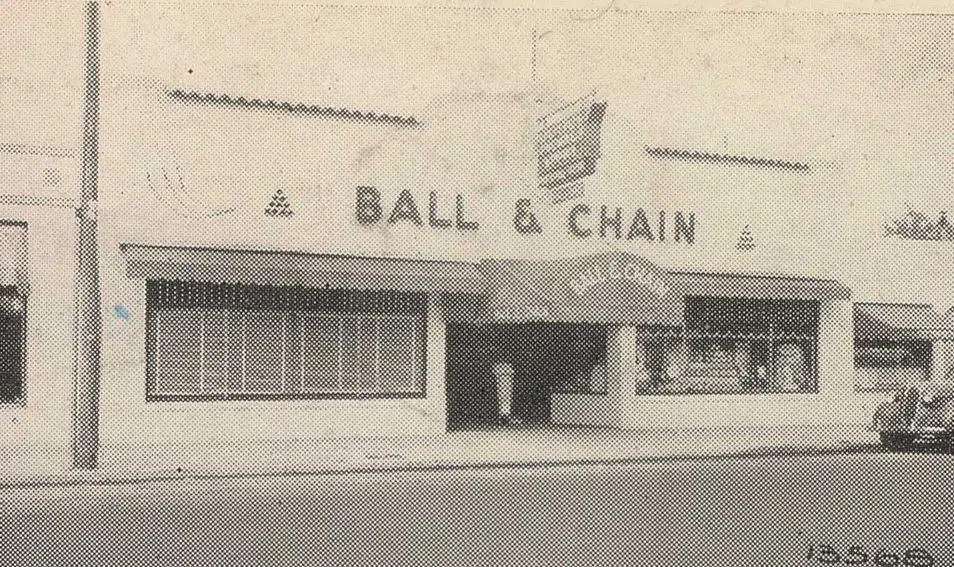
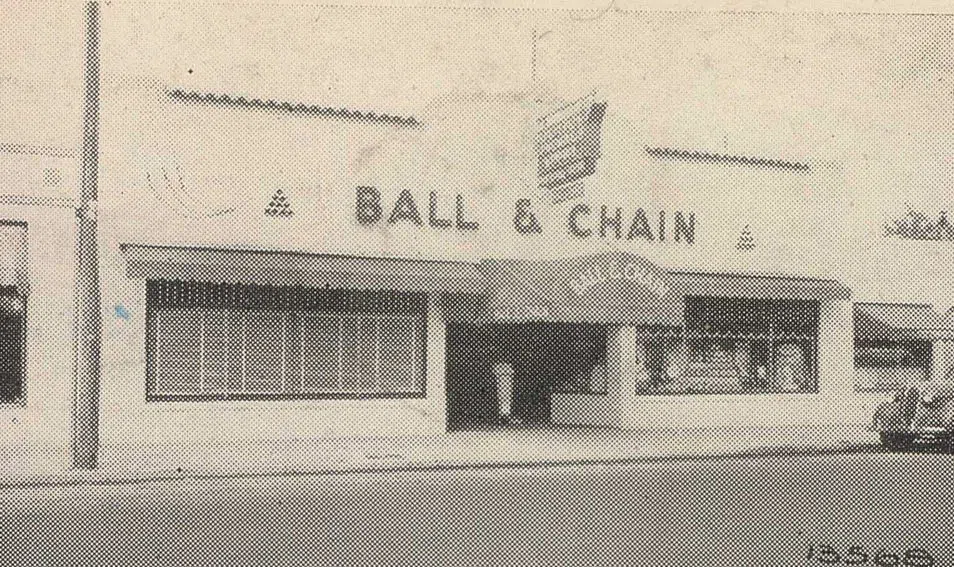
Ball & Chain (Little Havana) is the obvious starting point — a live-music courtyard on Calle Ocho with the kind of large indoor-outdoor footprint that was built for a crowd, not a couple. There's no cover most nights, cocktails run $14-18, and walk-ins are genuinely fine, though reservations help if you're rolling six-plus deep on a weekend. Tuesdays lean Afro-Cuban jazz; Sabor Wednesdays turn the courtyard into a salsa floor. It's the through-line from son to whatever's playing across town at 2am, made physical in one room.
A few blocks over, Hoy Como Ayer (Little Havana) works at the opposite scale — small, intimate, and reopened in 2024 after a five-year hiatus that could easily have been permanent. This isn't a room for a bachelorette party of fourteen; it's comfortable for six to eight, and if you want space near the band on a Friday or Saturday, get there early. No cover unless the night's ticketed, drinks run $12-16. It's the one room on this list where nobody's there for the scene — the crowd comes purely for the music, which is exactly why the legacy name matters.
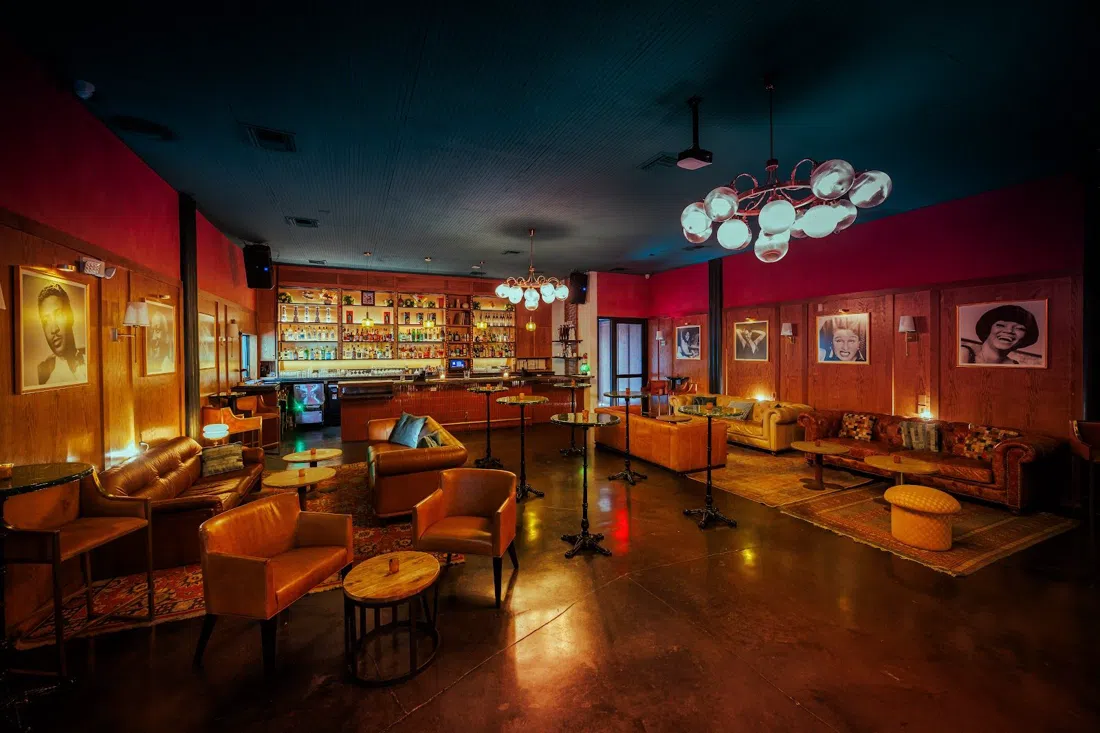
For the sophisticated end of the same lineage, Cafe La Trova (Little Havana) is the move — a regular on the North America's 50 Best Bars list, with live Cuban trova seven nights a week. Reservations are essential if you're bringing a group; smaller parties can work the bar for standing room without booking ahead. Expect to pay for it — cocktails run $18-20 — but this is the Michelin-adjacent counterpoint to everything else on this list, proof the 305 sound scales up in polish as easily as it scales up in volume.
Ocean Drive: The Spectacle Version
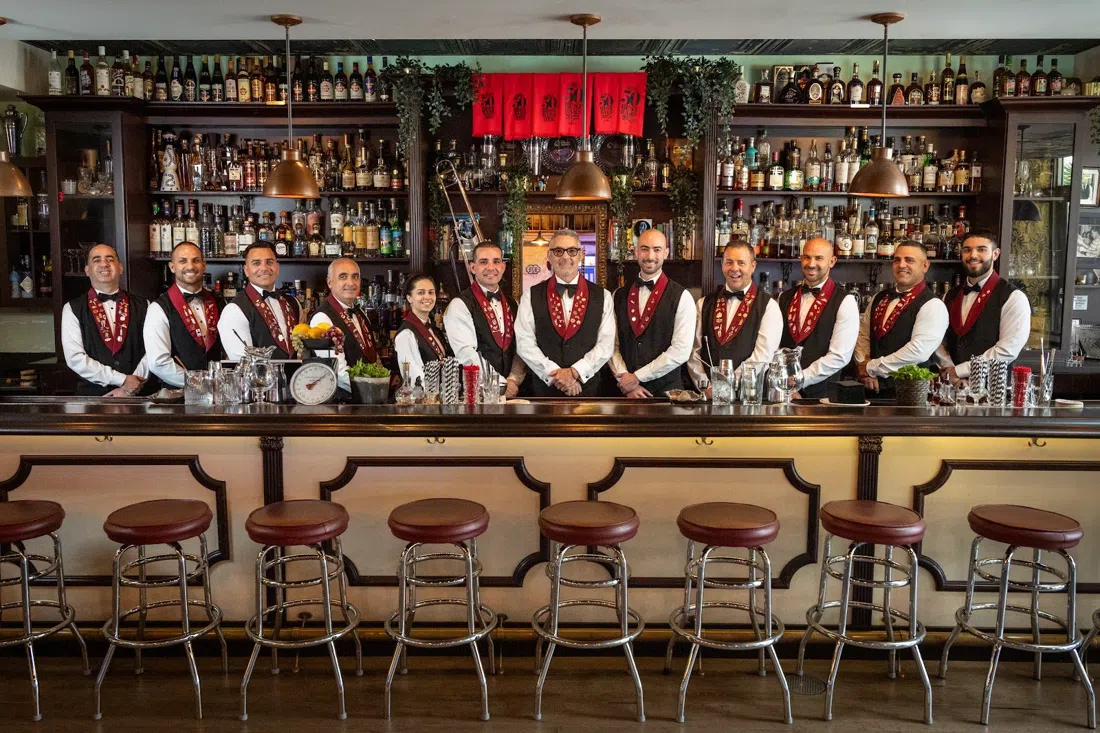
Mango's Tropical Cafe (Ocean Drive) is the loud, unapologetic tourist institution that purists dismiss and everybody ends up at anyway. It's built for large parties and tour groups specifically — dinner-and-show packages are sold direct, starting around $40, with no cover before showtime. Live salsa on Sundays and reggae on Saturdays keep it grounded in the real scene rather than pure spectacle. Go in without pretension, bring the whole group, and treat it as the gateway into everything else on this list rather than the whole night.
Wynwood: The Unpolished Original
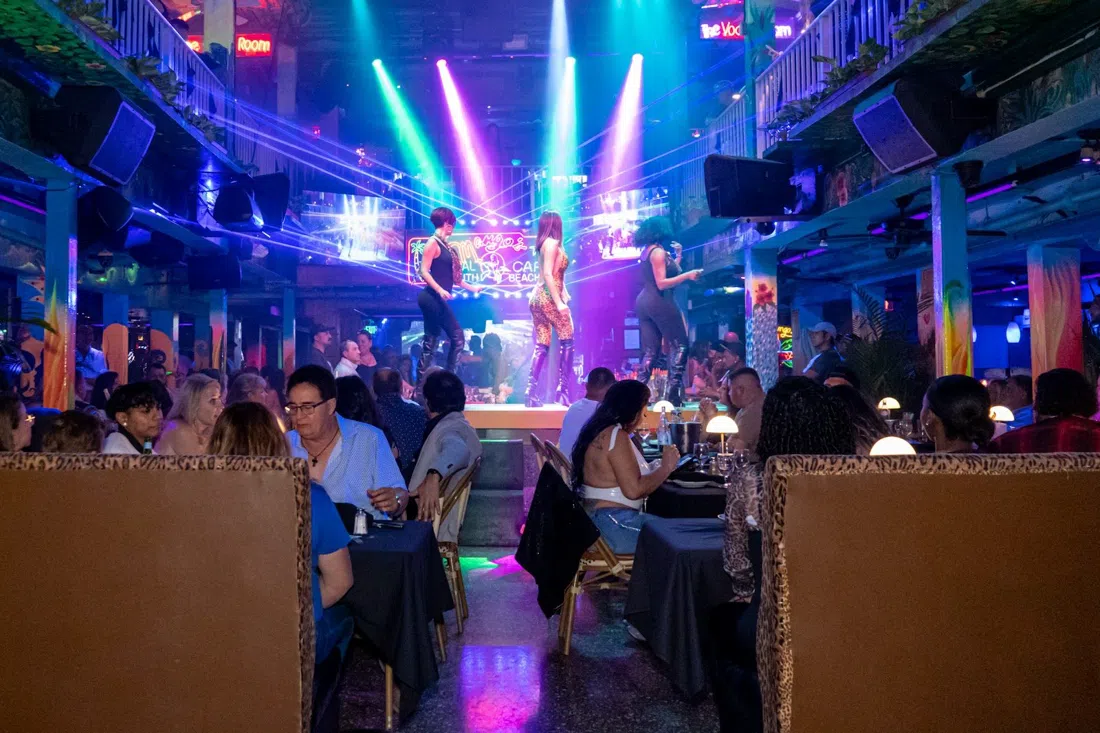
Cross town to El Patio Wynwood (Wynwood), the open-air reggaeton patio that's the loud, locals-first version of the sound the megaclubs later dress up in bottle service. There's no formal door policy and no cover most nights — drinks run $10-14 — but Fridays get genuinely dense, so arrive with low expectations of personal space. Groups are welcome; this is a room built for a crowd, not a date, and nobody's checking a dress code at the gate.
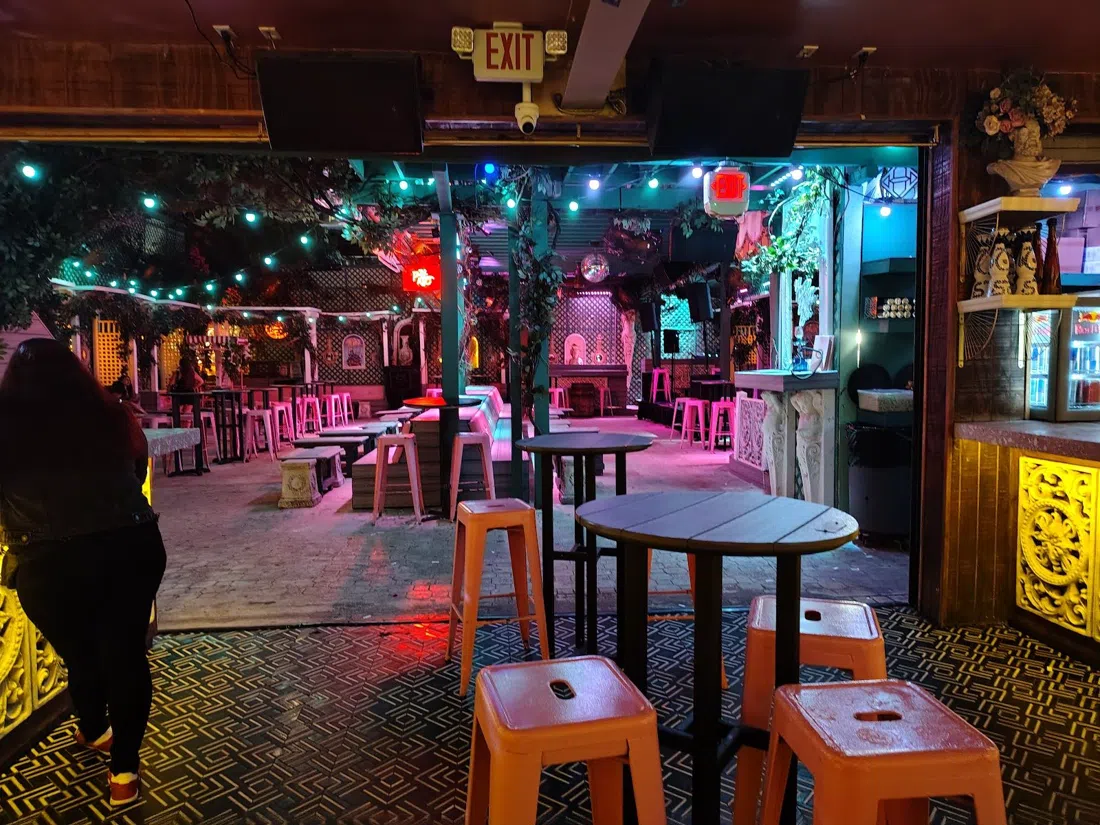
For something tighter, Perro Negro (Wynwood) is a Medellín import that's carved its own reggaeton cult into the district — a reminder that the sound Miami claims as its own has deep roots further south in Latin America. It's small and table-reservation-driven, better suited to four to eight people than a big crew, and it isn't cheap: around $40 cover, drinks from $18. Book the table in advance if reggaeton from closer to its source, rather than the Miami remix, is what you're chasing.
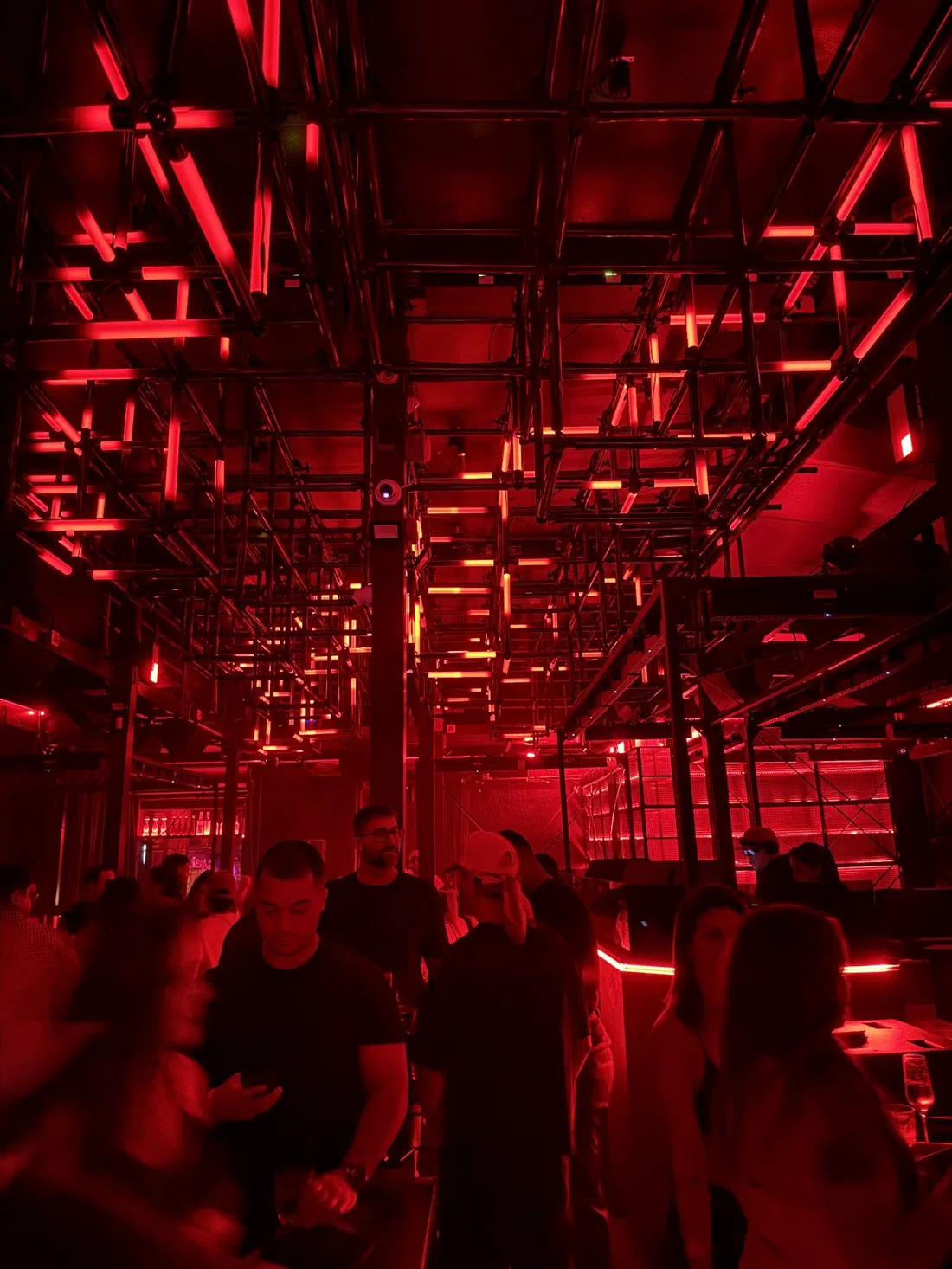
Brickell: Latin Nightlife With a Dress Code
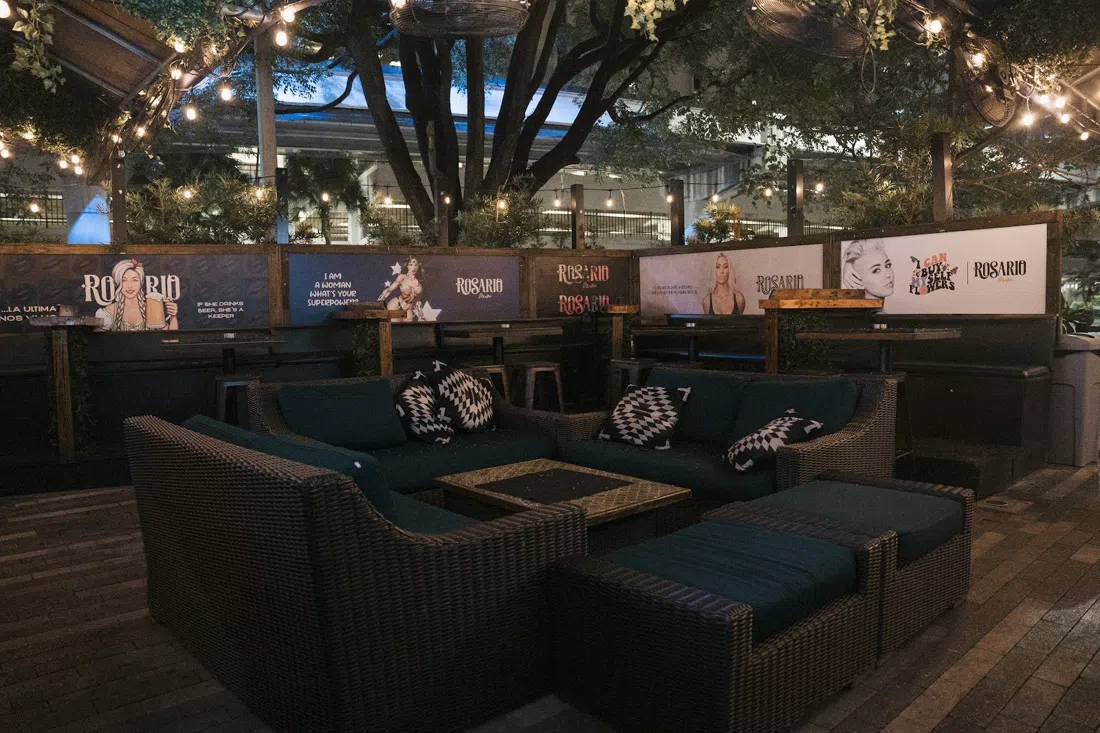
Rosario (Brickell) is the tighter, more polished answer to Wynwood's rougher clubs — 21+, ID checked at the door, table and bottle-service reservations recommended if you're coming as a group. Cover runs around $20, cocktails $12-14, and the sets — reggaeton, bachata, salsa — run until early morning. It's dressed-up but not impossible to get into on a normal Friday if you show up reasonably early.
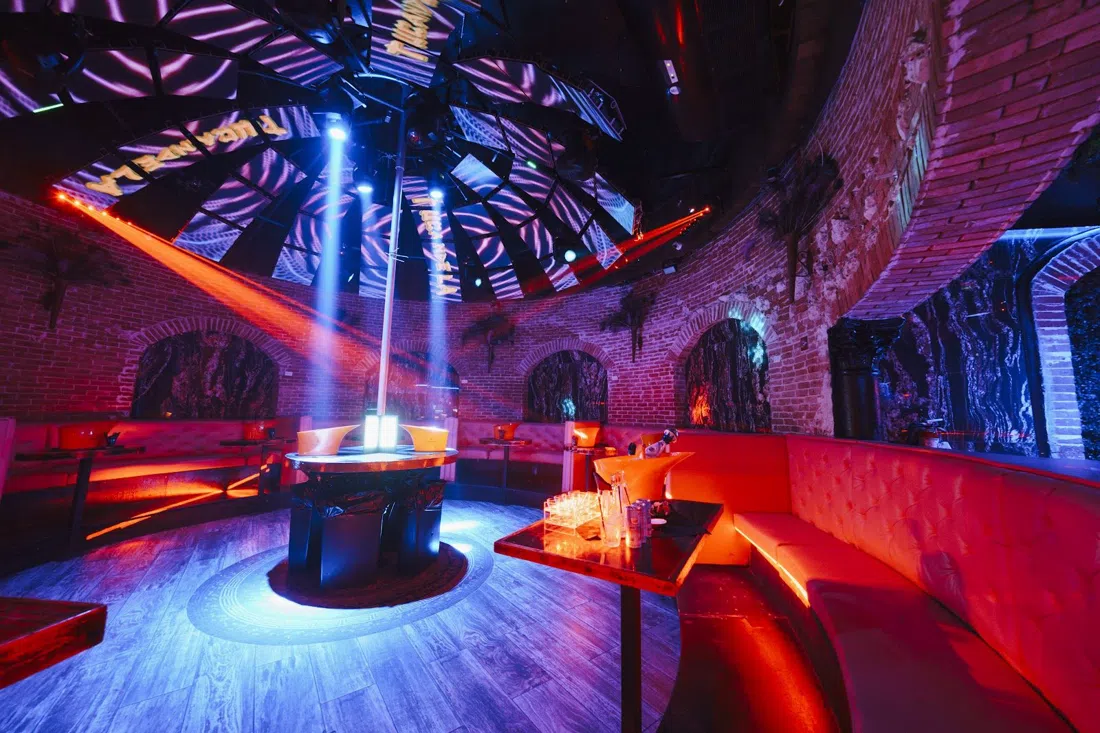
Its sister venue, TuCandela (Brickell), sits under the same ownership — Brickell Hospitality Group — and leans harder into reggaeton specifically, with themed nights like Perreo MMDT making it one of the most consistently reggaeton-forward rooms in the city. Bottle-service tables are built for groups; book ahead Thursday through Sunday, since table minimums apply and cover varies night to night depending on who's booked.
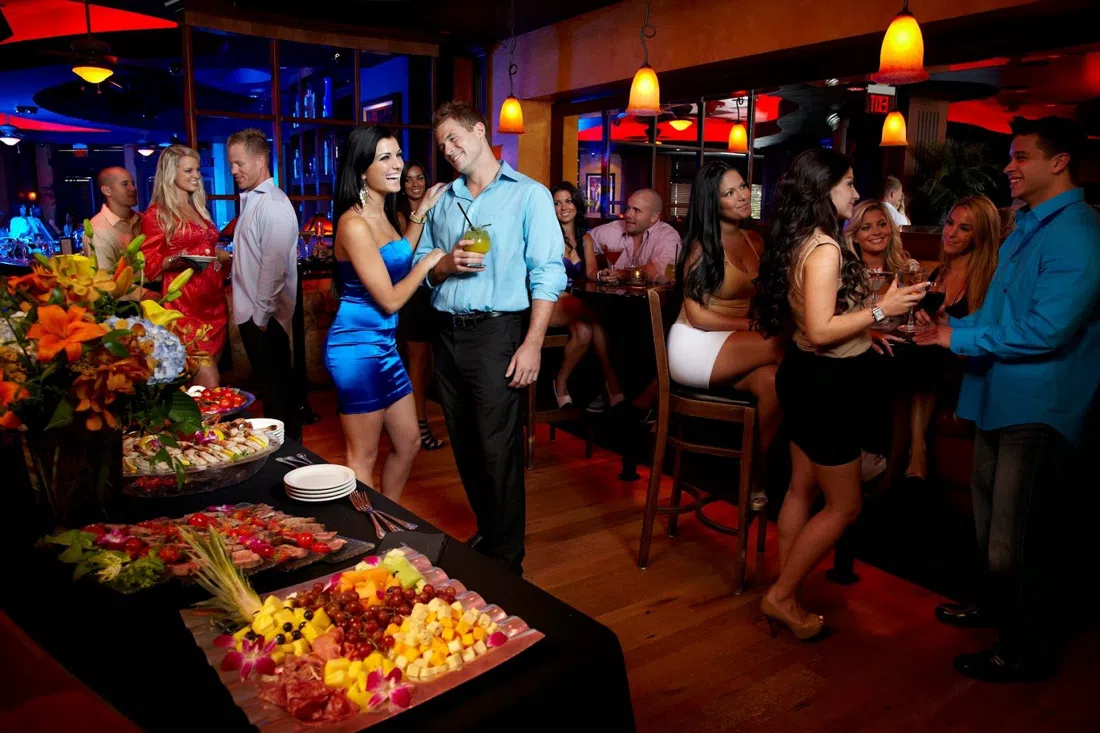
If the group wants Latin sounds without a strict door, Blue Martini Brickell (Brickell) is the accessible option — a large open floor plan explicitly built for groups and bottle service, with no cover most nights. Noches Azul is the Latin/house night worth timing a visit around: dress-up energy without the velvet-rope anxiety of the rooms around it.
The Megaclubs: Where the 305 Sound Goes Global
LIV (Fontainebleau) is the reggaeton megaclub end of the story — VIP tables and skyboxes built for big groups, a strict door policy for general admission, and tables that start in four figures. Book ahead regardless of budget; walking in cold on a weekend isn't a plan that works here. Resident Latin-urban DJs like Zaga anchor regular Latin nights inside what's still one of the biggest rooms in the city — proof the sound that started on a Little Havana patio now fills a room built for thousands.
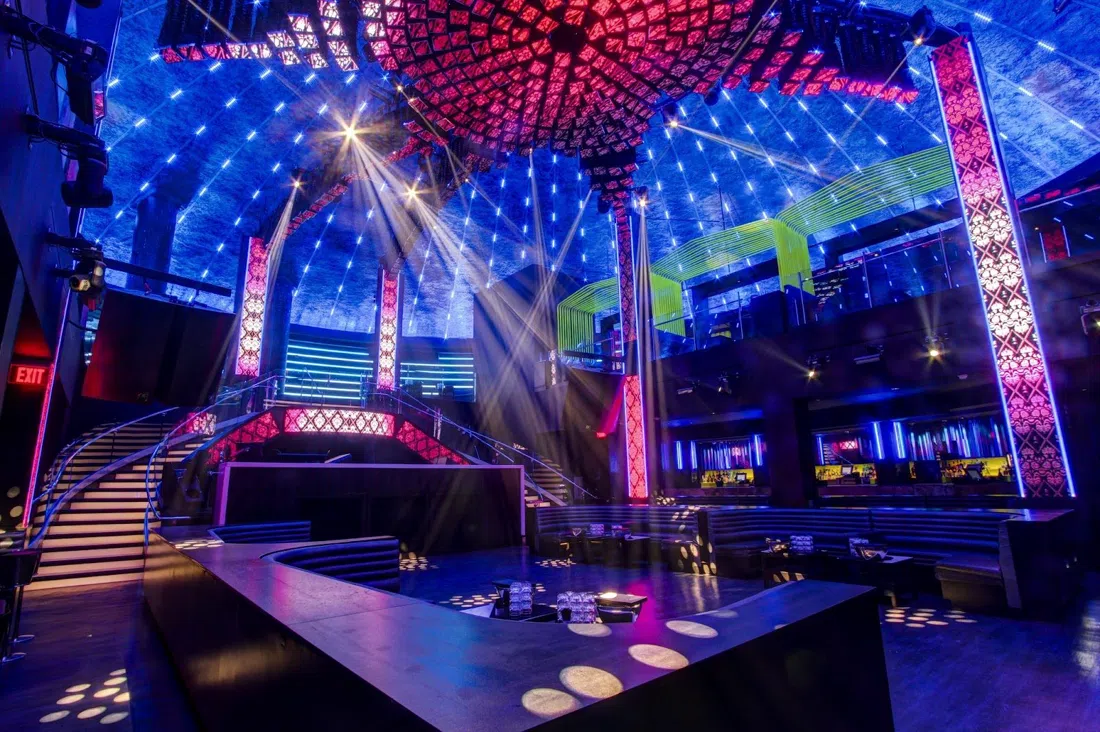
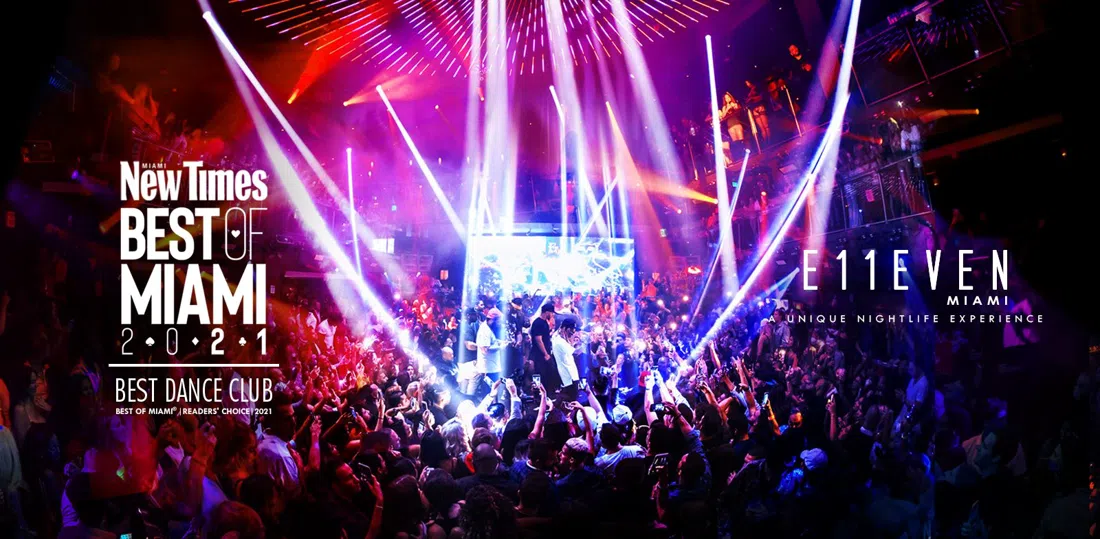
And then there's E11EVEN (Downtown Miami), the 24-hour megaclub that closes this arc the only way it can: literally, it never stops. Tables and walk-ins run around the clock, cover varies and tables start in four figures, and Latin hits and reggaeton run straight through the open-format sets no matter the hour you show up. If Ball & Chain's Tuesday jazz set is the sound's origin story, E11EVEN at 6am is where it ends up — the same bassline, just louder speakers and no closing time.
Getting Around, Timing It Right, and What It Costs
Transport: Little Havana, Wynwood, Brickell and Ocean Drive are distinct districts with real traffic between them — budget 20-30 minutes by rideshare between any two, more on a Friday or Saturday night. Don't plan on walking between them; do plan on a rideshare budget if you're hitting more than one area in a night, or a designated driver if you're staying out past sunrise.
Cash: Every venue on this list takes cards, but the bottle-service rooms (Rosario, TuCandela, LIV, E11EVEN) often expect the table minimum settled up front — know the number before you sit down. Small cash tips for door staff and bartenders at the live-music rooms (Ball & Chain, Hoy Como Ayer, Cafe La Trova) are appreciated, not required.
Timing: Little Havana's live-music rooms get going by 8-9pm and wind down by midnight or 1am — that's the early-evening leg. Wynwood and Brickell pick up from 11pm. The megaclubs don't really start until 1-2am and, at E11EVEN, don't stop at all. Run the night in that order if you want to hear the sound's actual timeline rather than just its loudest hour.
Budget: A no-cover night in Little Havana or Wynwood runs $30-60 a person in drinks. Brickell's table culture pushes a group night into the hundreds, split across the table. The megaclubs are the splurge — budget four figures for a table, or expect a straight cover charge and standing-room only if you haven't booked one.
Where to stay: Brickell and the beach put you closest to the later-night rooms; Little Havana or Wynwood suit an earlier, music-first itinerary. Start your search with Miami hotel search.