By late May, Miami-Dade's mango trees start dropping more fruit than any single household can eat, and for six weeks the city runs on an informal economy built entirely around it. Neighbors leave grocery bags of Haden and Kent mangoes on porches with no note attached, bakers trade loaves of bread for five-pound hauls of fruit, and a botanic garden a few miles from downtown turns its lawns into one of the largest mango gatherings on earth. This is Miami's real summer season — not the beach crowds, but the fruit that comes free with a backyard tree and somehow ends up on Michelin-recognized menus by July.
The Anchor: Fairchild's Mango Festival
Everything about mango season in Miami points toward one weekend. Fairchild Tropical Botanic Garden (Coral Gables) runs its International Mango Festival on June 13–14, 2026 — the 32nd annual edition of an event built around one of the world's largest living mango collections, with hundreds of cultivars growing on the garden's own grounds. General admission is $27.95 for adults, with discounts for seniors and children, and tickets should be bought in advance of the weekend rather than at the gate; this is a large-capacity, well-organized event that comfortably absorbs tour groups, families, and solo obsessives alike. Expect tasting tables running through dozens of varieties, growers selling grafted saplings, cooking demonstrations, and a general-admission crowd that skews toward serious fruit people rather than casual tourists — if you only do one mango-season activity in Miami, this is the one to plan a trip around, and the one most likely to sell out its better ticket tiers first.
South Into Redland: Where the Trees Actually Are
The festival is Miami's mango showcase, but the fruit itself grows twenty-five miles south, in the agricultural belt around Homestead and Redland. This is a car trip, not a walk-up outing, and it rewards a full afternoon rather than a quick stop.
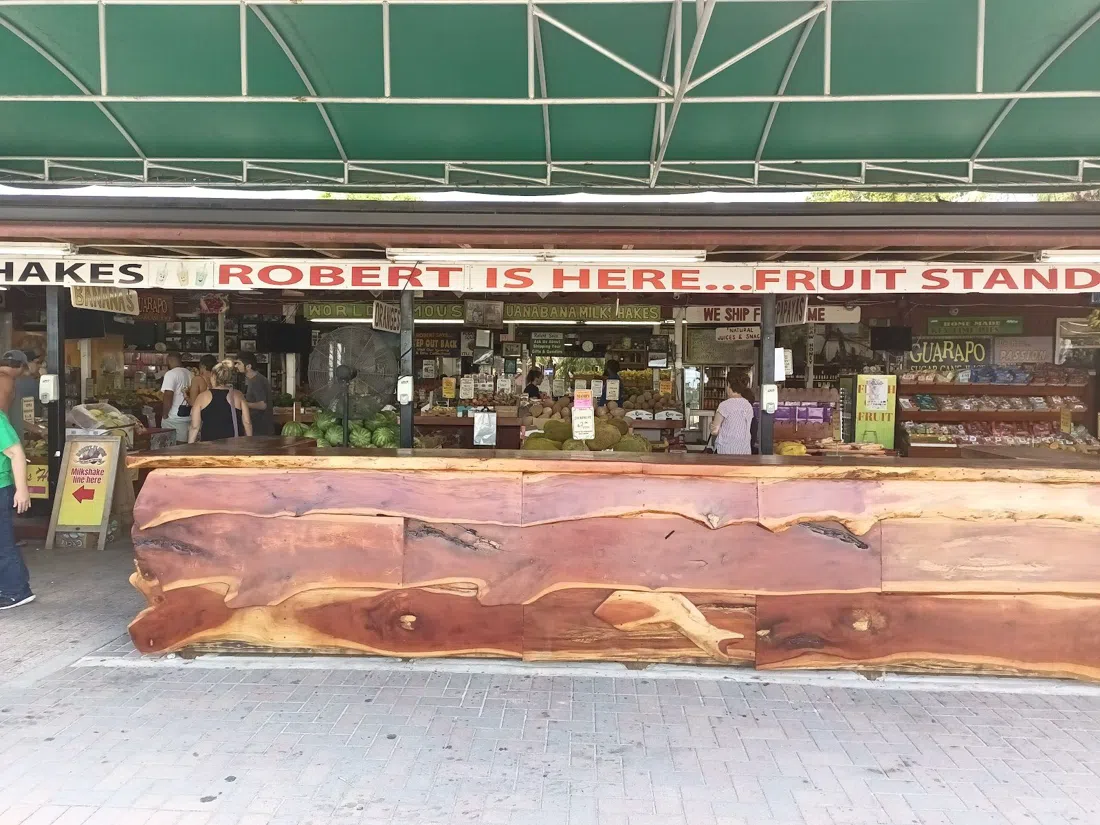
Robert Is Here Fruit Stand & Farm (Homestead) has been open since 1959 and functions less like a shop than a regional institution — a sprawling, open-air lot with picnic tables, farm animals for kids, and a produce counter stacked with exotic mango varieties most visitors have never seen outside a Fairchild tasting table. There's no entry fee; you pay by the fruit, or for the milkshake that's the actual reason an hour's drive south of the city feels justified. It handles tour buses and families without friction — arrive on a Saturday in June and you'll share the lot with all of them, so go early if you want the shade and the short milkshake line.
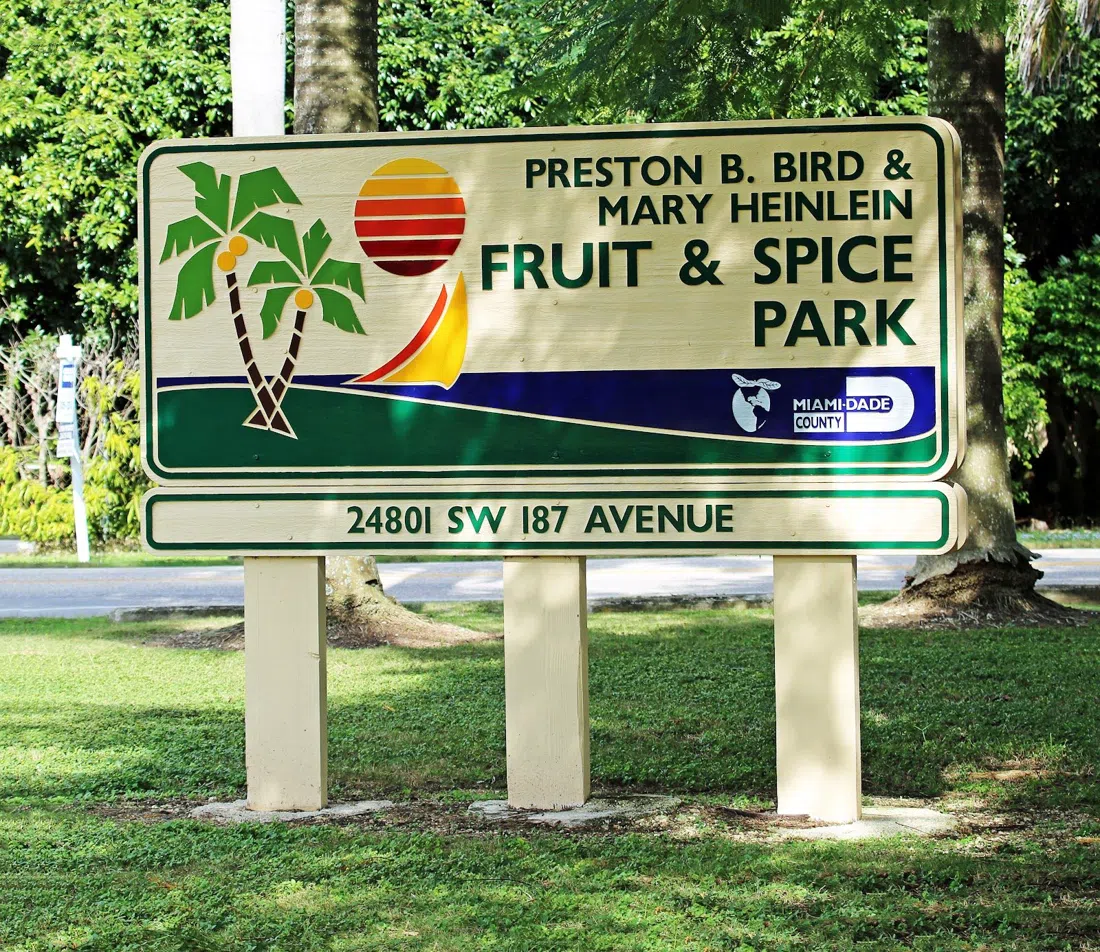
A few minutes away, the Fruit & Spice Park (Redland) is the most serious mango destination on this list for anyone who wants to understand the fruit rather than just eat it. The park grows roughly 180 mango varieties on its trees and runs daily guided tasting tours at noon and 3pm — RSVP a day ahead — for $15 per adult and $8 per child on top of general park admission. Private and large groups can be arranged separately. The calendar highlight is Mango Mania on June 28, a once-a-year tasting event that puts more than 150 varieties in front of visitors in a single day; it's the closest thing Miami has to a mango tasting menu, and it draws collectors and growers as much as tourists.
Round out a Redland afternoon at Schnebly Redland's Winery & Brewery (Redland), which does something no other stop on this list attempts: it actually ferments the fruit. The winery grows its own mangoes on-site and turns them into a genuine mango wine, alongside a working brewery and event space. Group tastings and tours run by reservation, and a flight typically costs $20–30. It's a distinctive, slightly unexpected angle on a season most visitors only think of in terms of milkshakes and salsa — worth building the Redland leg of the day around, since it's an easy stop after Robert Is Here and the Fruit & Spice Park.

The Backyard Economy: Markets and Mango-for-Something Trades
The most Miami-specific part of mango season isn't a ticketed event at all — it's the informal barter system that pops up every June, when backyard trees produce more fruit than any one family can use.
The Coconut Grove Organic Farmers Market (Coconut Grove) is the easiest entry point for visitors who just want to buy backyard-grown mangoes directly from the people who grew them. It's Miami's top-rated farmers market, a casual walk-through with no booking required — pay per item, browse at whatever pace suits a couple or a family, and expect local growers selling fruit that never touched a commercial supply chain.
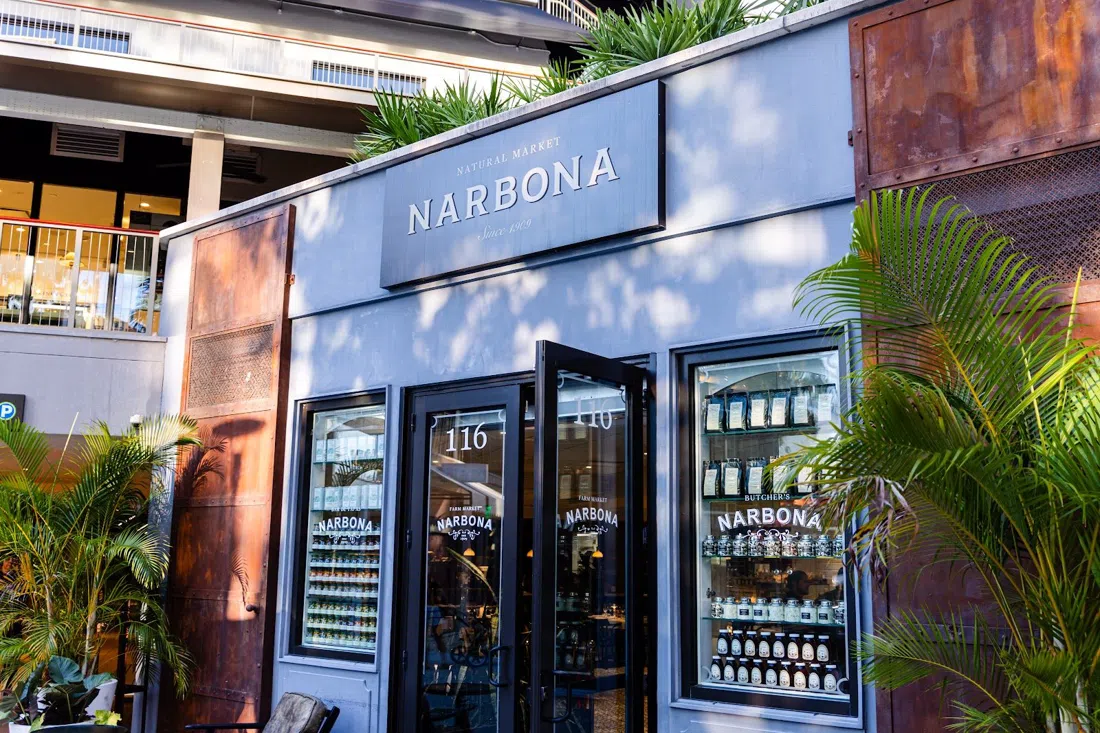
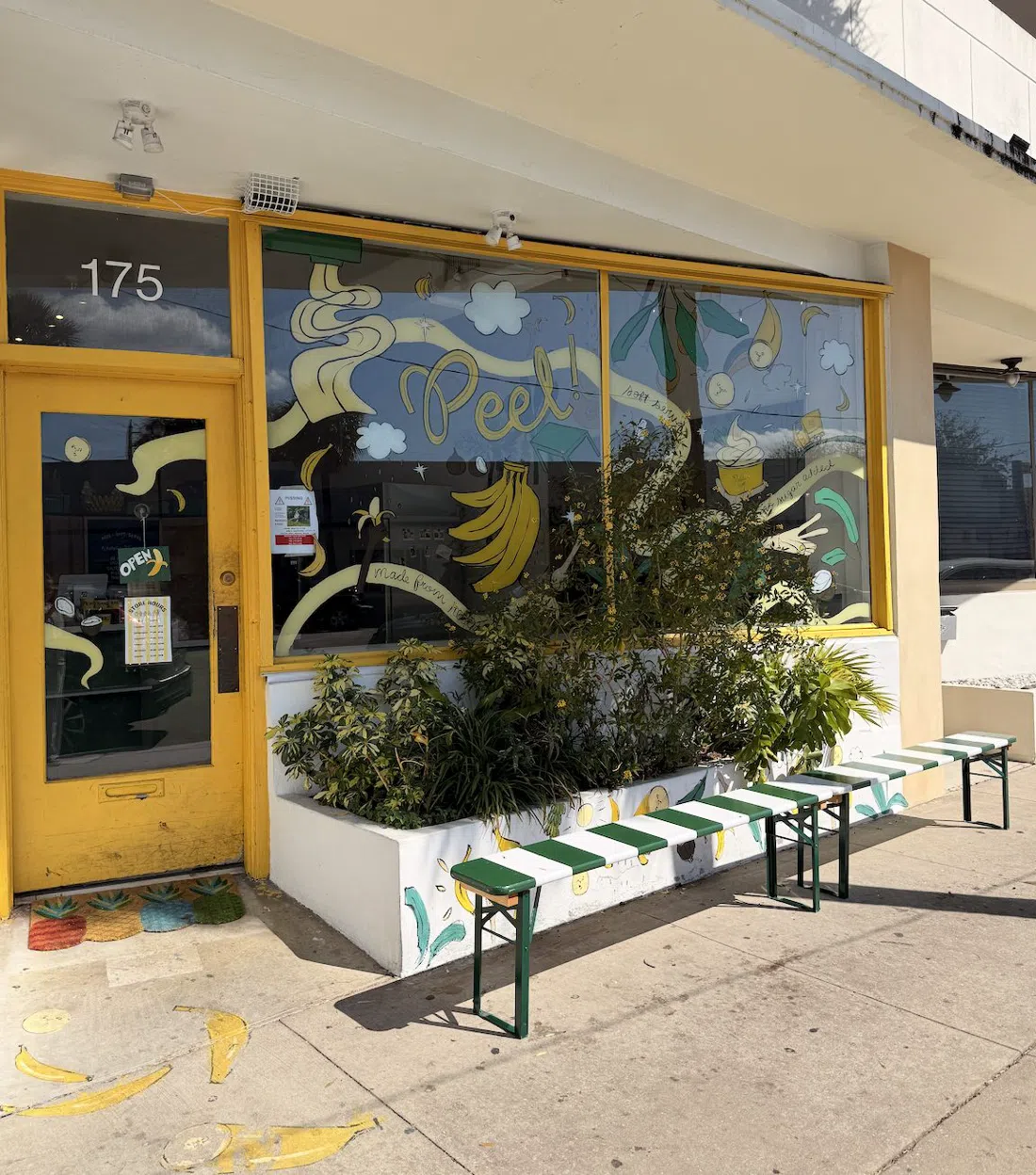
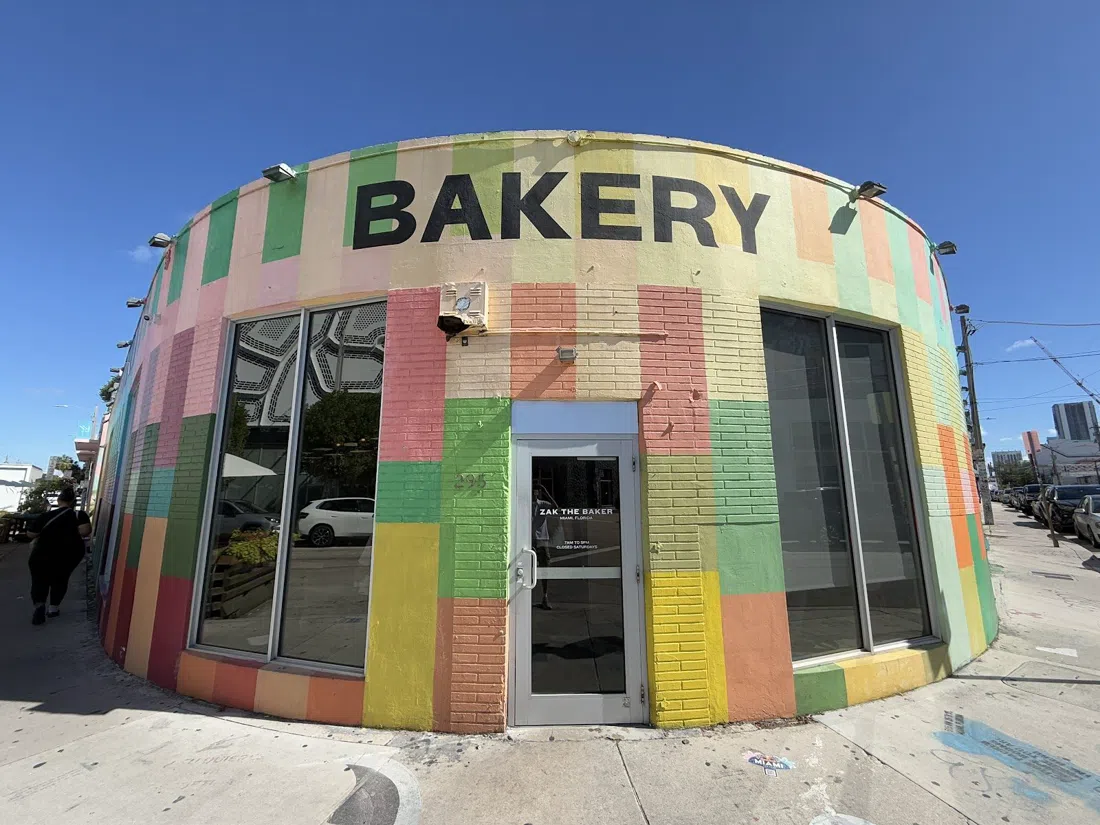
That backyard surplus also fuels a genuinely unusual local custom: several kitchens will trade finished product for raw mangoes, no cash involved. Zak the Baker (Wynwood), a Michelin Bib Gourmand kosher bakery, runs an annual mango-for-bread trade each June — five mangoes for a loaf. It's cafe seating with easy walk-ins, no reservation needed, and the trade itself is worth witnessing even if you're just there for the bread on a normal day. Peel Soft Serve (Miami Shores) does the same thing at a smaller scale: five pounds of mangoes for a bowl of soft serve, and it's the only location that makes this particular flavor, so the trade itself is part of the draw rather than an afterthought. Narbona (Coconut Grove), a farm-to-table restaurant with full seating and gelato made in-house, trades four whole mangoes for a scoop of its mango gelato — a nice stop to fold into a Coconut Grove afternoon that already includes the farmers market. And Tâm Tâm (Government Center, Downtown), a Bib Gourmand Vietnamese kitchen with bar and dining-room seating that takes groups comfortably, runs its own mango-for-wings trade — a strange, memorable detail that ties Miami's fine-dining scene directly to the same backyard economy as the farmers market down the road.
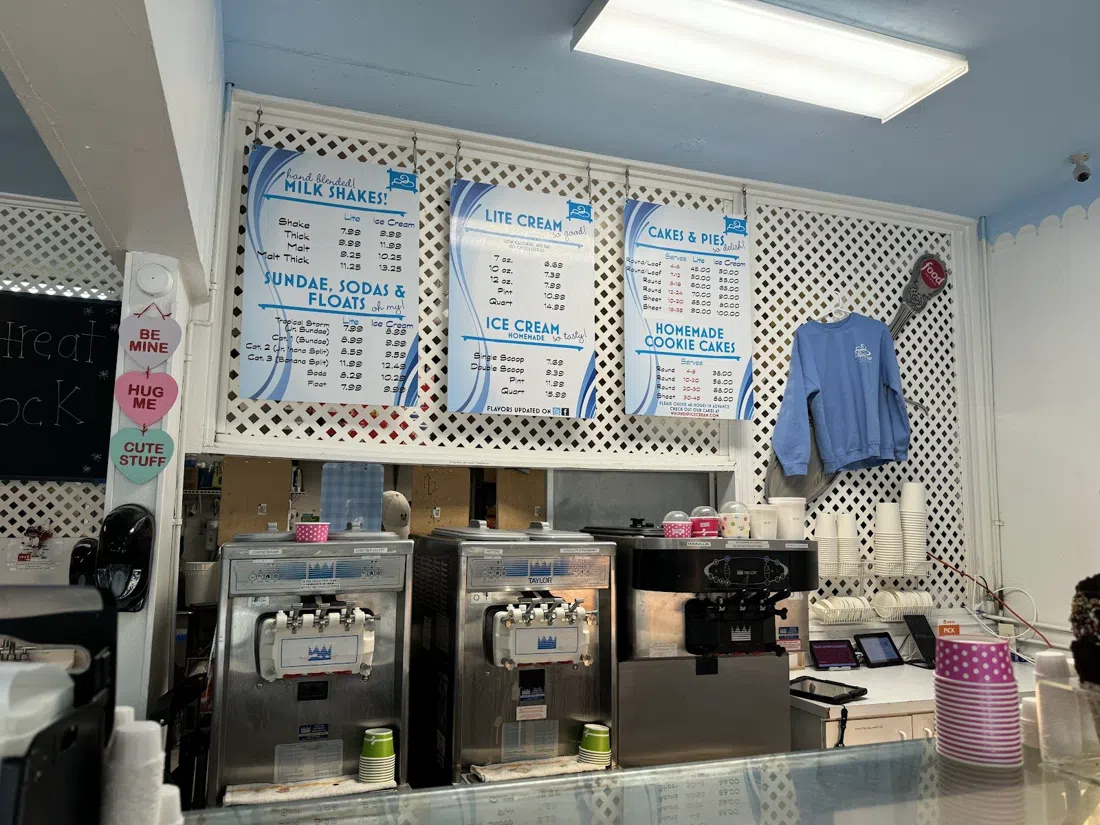
For something more old-fashioned, Whip 'N Dip Ice Cream Shoppe (South Miami) churns homemade mango ice cream each summer from fruit donated by locals — it's a casual walk-in shop with no group-booking complications, and it's the most kid-friendly, least self-conscious stop on this list. If the Fairchild festival is Miami's mango season dressed up, Whip 'N Dip is the same season in a T-shirt.
From Casual Counter to Fine Dining
Mango season doesn't stay confined to counters and market stalls — by June it shows up on some of Miami's most polished menus too, and tracking that arc from backyard fruit to tasting menu is part of what makes the season worth visiting for.
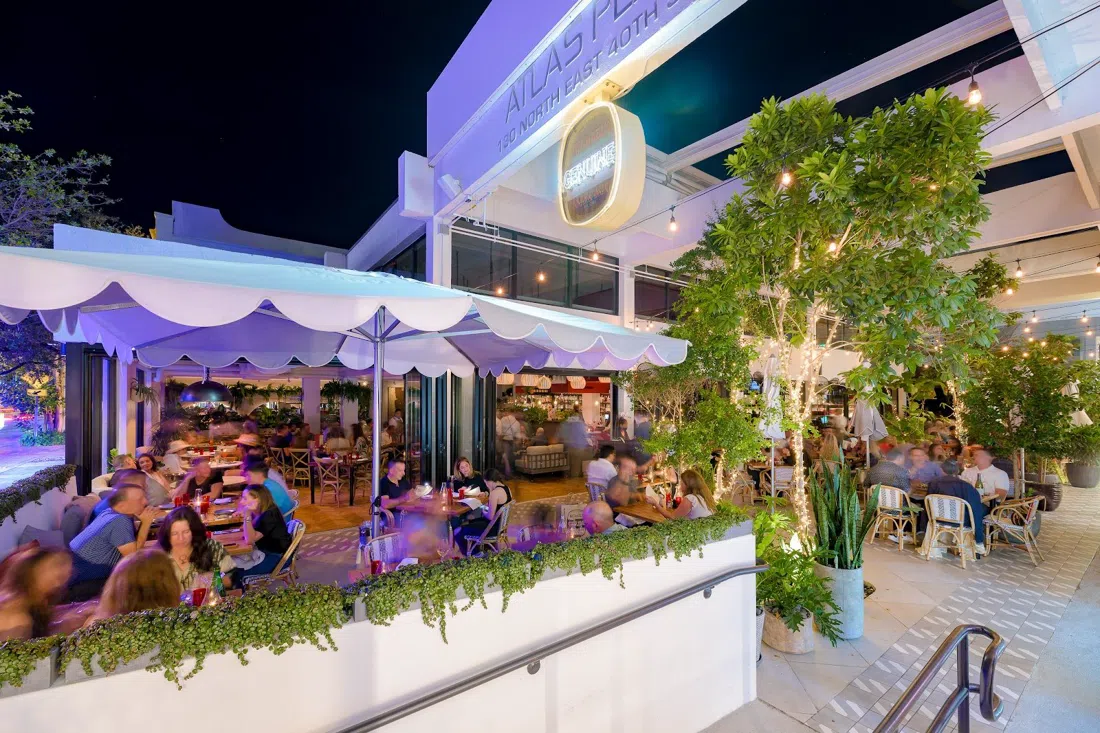
Michael's Genuine Food & Drink (Design District) is the clearest proof point: James Beard–winning chef Michael Schwartz puts Redland mango directly onto a Michelin Bib Gourmand menu each summer. It's a full-service restaurant with group reservations available, and the mango dish changes with what's actually ripe that week rather than running as a fixed seasonal special — ask what's on it when you book.
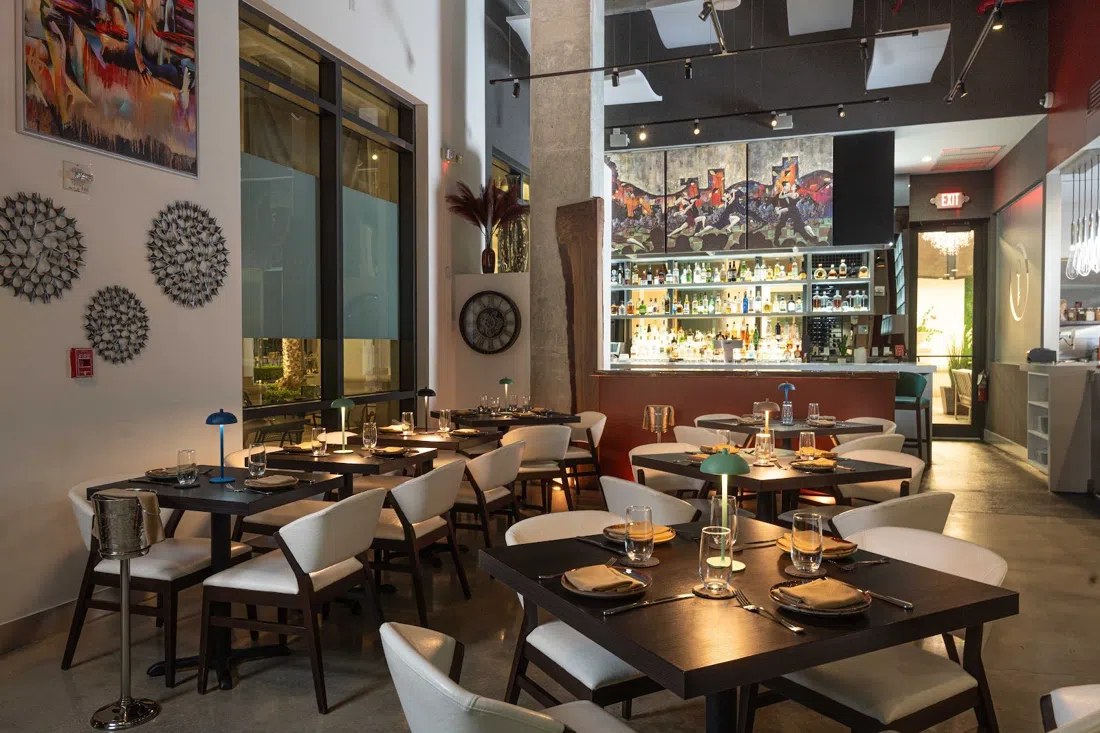
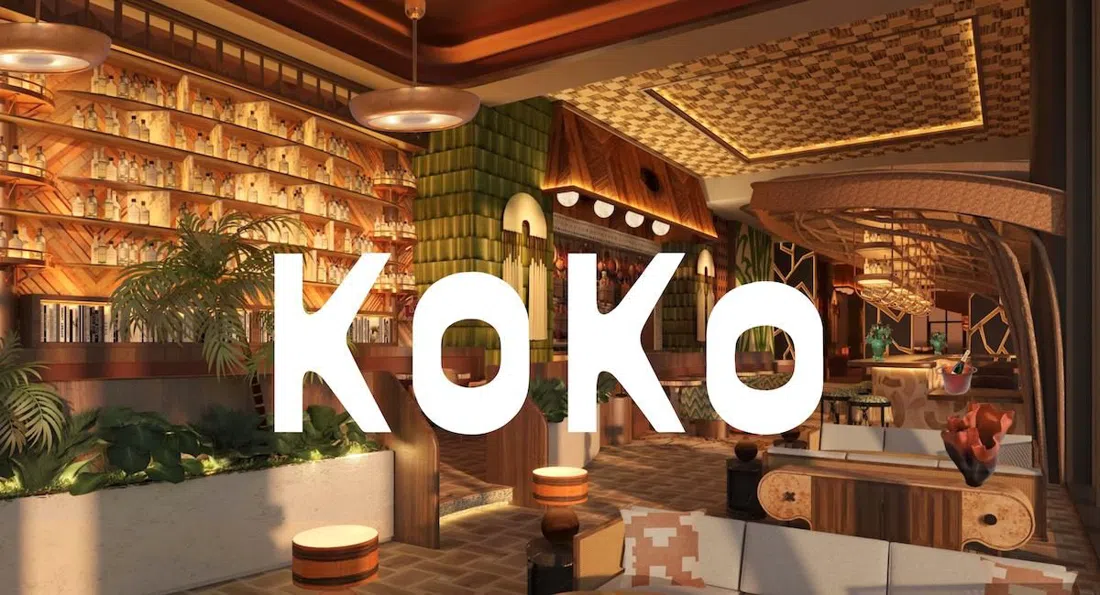
KoKo by Bakan (Coconut Grove) leans into the fruit for the cocktail crowd, pairing a mezcal-and-mango cocktail with a mango-spiked aguachile on a menu built for photogenic, shareable plates. It has indoor and outdoor seating and takes group bookings, making it a solid dinner stop after an afternoon at the farmers market a few blocks away. Arcano (Coral Gables) folds mango into both a signature cocktail and a savory quinoa dish, and its Sunday brunch — with live music — is genuinely built for groups rather than tolerating them; book ahead for that slot specifically, since it's the restaurant's busiest seating of the week.
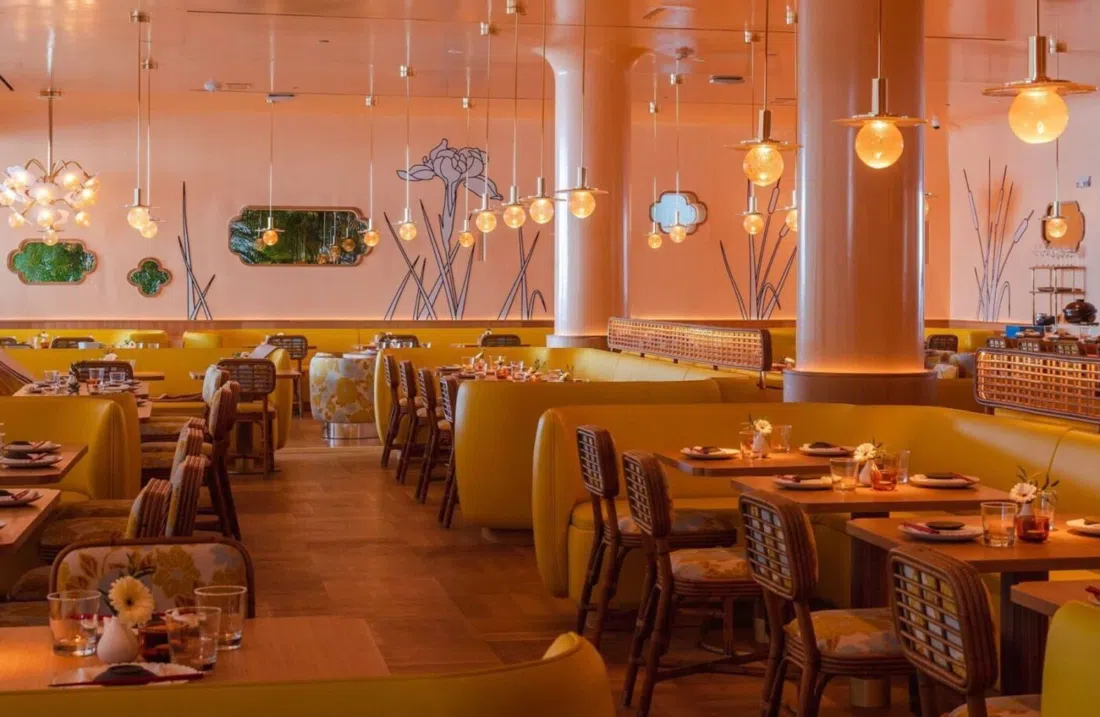
At the top of the range, Makoto (Bal Harbour), chef Makoto Okuwa's upscale sushi restaurant on the third floor of Bal Harbour Shops, closes the loop with a mango sorbet dessert that shows the same backyard fruit reaching Miami's most polished tables. It has a large dining room plus a sushi counter and takes group reservations, but this is a couples-and-special-occasion room rather than a casual walk-in — dress for it and book a few days out in season.
Getting There, Cash, and Timing
Transport. Redland and Homestead — home to Robert Is Here, the Fruit & Spice Park, and Schnebly's — sit roughly 40 to 50 minutes south of downtown Miami by car, with no meaningful public transit connection. Rent a car or book a driver for that leg specifically; ride-share coverage thins out fast once you're past the Turnpike's southern exits. Everything else on this list — Fairchild, the Coconut Grove market, Wynwood, the Design District, Bal Harbour — sits within Miami's normal ride-share and rental-car range, and a Miami hotel search closer to Coral Gables or Coconut Grove will cut driving time on both the festival day and the market/restaurant loop.
Cash. Most stops here take cards, but the farmers market and Robert Is Here move faster with cash in hand for small purchases — bring some for both.
Timing. Peak mango season in Miami runs roughly June through August, but the calendar has real hard dates worth building a trip around: Fairchild's festival on June 13–14, 2026, and the Fruit & Spice Park's Mango Mania tasting on June 28. Book festival tickets and any Redland group tours in advance of the weekend itself — Fairchild in particular sells through its better time slots early.
Budget. A day trip built around Robert Is Here, the Fruit & Spice Park tour, and Schnebly's tasting flight runs roughly $50–80 per person before food; the Fairchild festival ticket is a fixed $27.95 for adults. The mango-trade stops (Zak the Baker, Peel, Narbona, Tâm Tâm) cost nothing beyond the fruit itself if you're carrying spare mangoes, or normal menu prices if you're not. Dinner at Michael's Genuine or Arcano runs standard mid-range Miami restaurant pricing; Makoto is a genuine splurge.
For everything else the city has to offer outside mango season, the full Miami guide covers the rest of the neighborhoods and seasons worth planning around.