The Miami issue
The Ventanita Hour: How Miami Runs on Cafecito
A warm, window-by-window guide to Miami's Cuban coffee ritual — where to stand, what to order, what it costs, and which counters suit a solo sip versus a whole loud table.

By Valentina OchoaMiami kitchens, from Doral arepas to Little Haiti griot
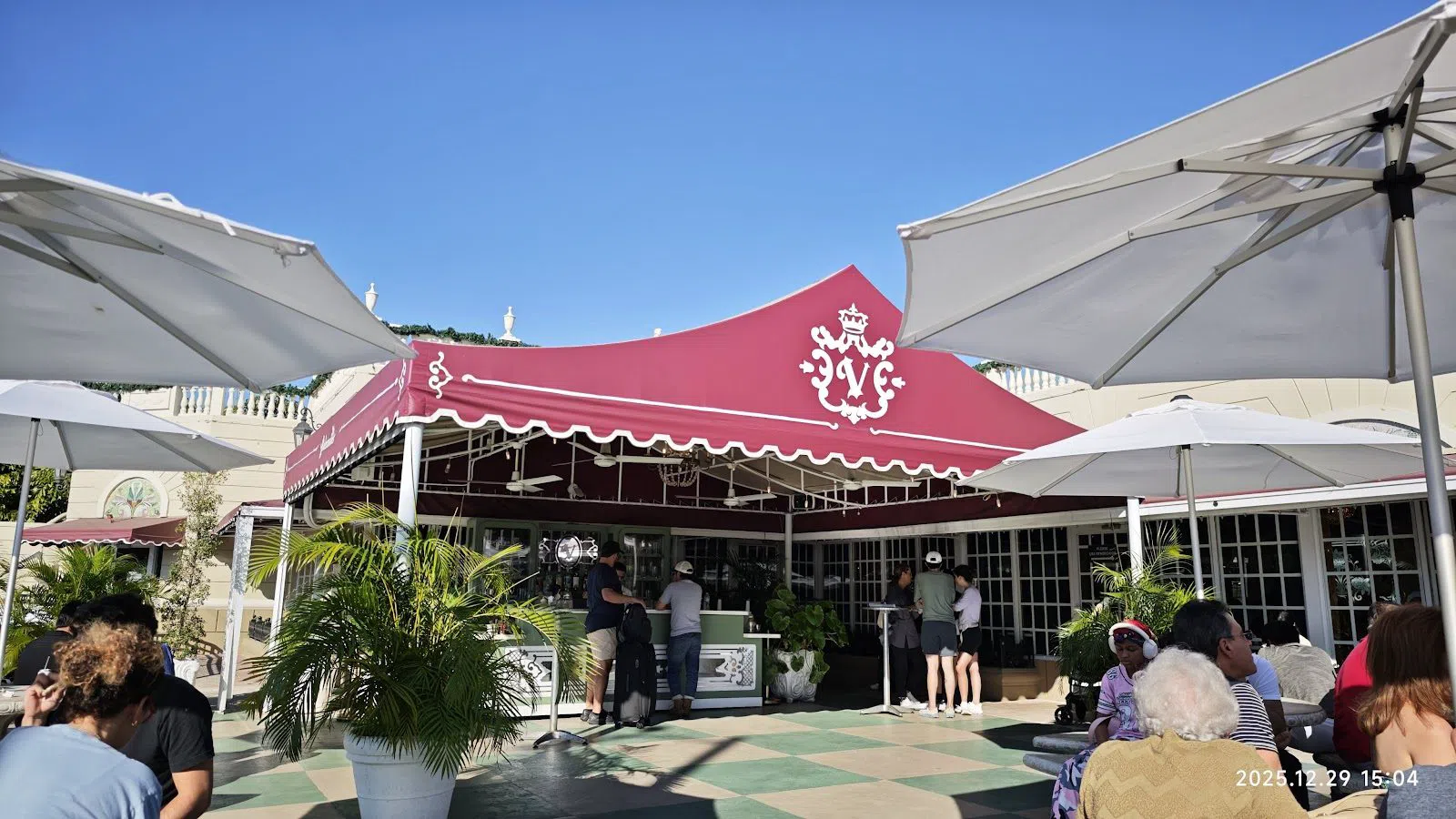
There is a moment, most afternoons around three o'clock, when Miami quietly loses productivity for about ten minutes. Someone in the office, the body shop, the nail salon walks to the nearest walk-up window, orders a colada, and carries it back in a paper cup with a stack of thimble-sized plastic shots stacked on top. That is the ventanita hour, and once you understand it, you understand more about this city than any beach ever taught you.
A ventanita is simply a little window — a counter that opens onto the sidewalk where you order strong, sweet Cuban coffee standing up, no reservation, no table, sometimes no shade. You'll drink it in one hot, syrupy gulp and keep moving. This guide walks you through the windows and counters worth your time, what to order at each, and the honest logistics of who they suit: a couple lingering, a solo traveler on a walk, or a group of eight that just piled out of a rideshare. If you want the wider lay of the land, the Miami guide covers neighborhoods and where to base yourself; here, we're staying focused on the cup.
What you're actually ordering
Before you approach a window, learn four words, because the menu boards move fast and the person behind the glass is rarely standing still. A cafecito (also called a colada when made larger to share) is a single shot of espresso whipped with sugar as it brews, producing a pale foam on top called espumita. It is small, it is intense, and it costs almost nothing — usually around $1.50. A colada is that same coffee in a larger to-go cup, roughly $3, meant to be split; it arrives with a sleeve of tiny plastic cups so five people each get a swallow. A cortadito is a cafecito cut with a little steamed milk, softer, the mid-morning choice. And a café con leche is the breakfast drink: hot milk with a shot of coffee stirred in, usually ordered with a length of buttered, pressed Cuban toast for dunking. Learn those four and you can order anywhere in this article without a word of translation, though a smile and a "buenos días" never hurt.
Plan your Miami trip
Live prices from our booking partners.
Free cancellation on many rooms. We may earn a commission when you book.
The rite of passage
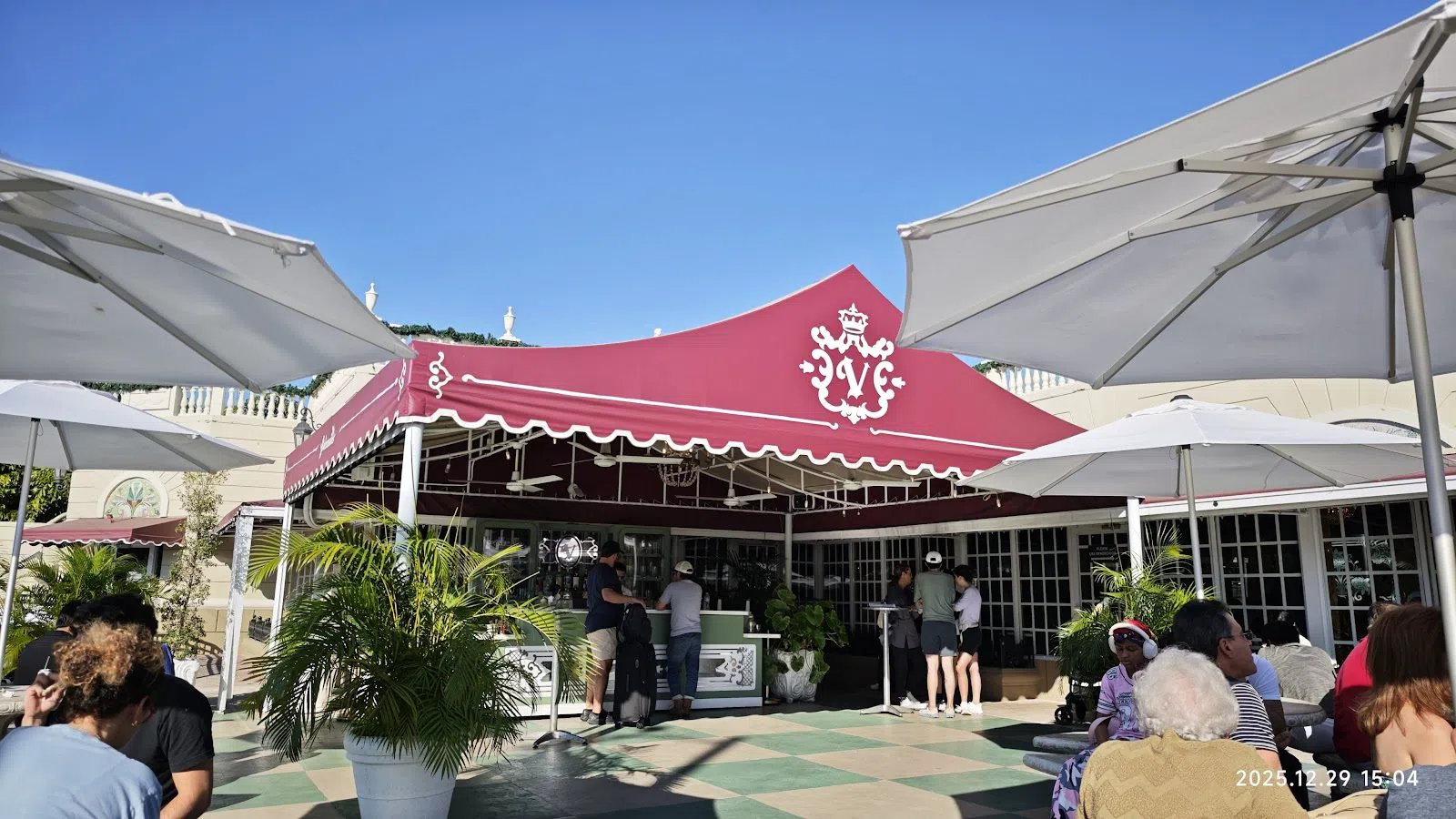
Start where every first-timer should start. Versailles Restaurant (Little Havana, on Calle Ocho) has run its ventanita since 1971, and its walk-up window is less a coffee stop than a civic landmark. There are no reservations and there is no need for them — dozens of people gather freely at the window at any given hour, and the staff are practiced at sending a group off with a colada and a fistful of shot cups to share. The cafecito runs about $1.50, the colada around $3. I've stood at this window on quiet Tuesday mornings and after Sunday lunches when the crowd spills toward the parking lot, and it delivers the same reliably good, punchy cup every time. It suits absolutely everyone: couples, solos, and big loud groups alike. If you do only one ventanita on your trip, do this one, and do it early in the visit so everything after has a reference point.
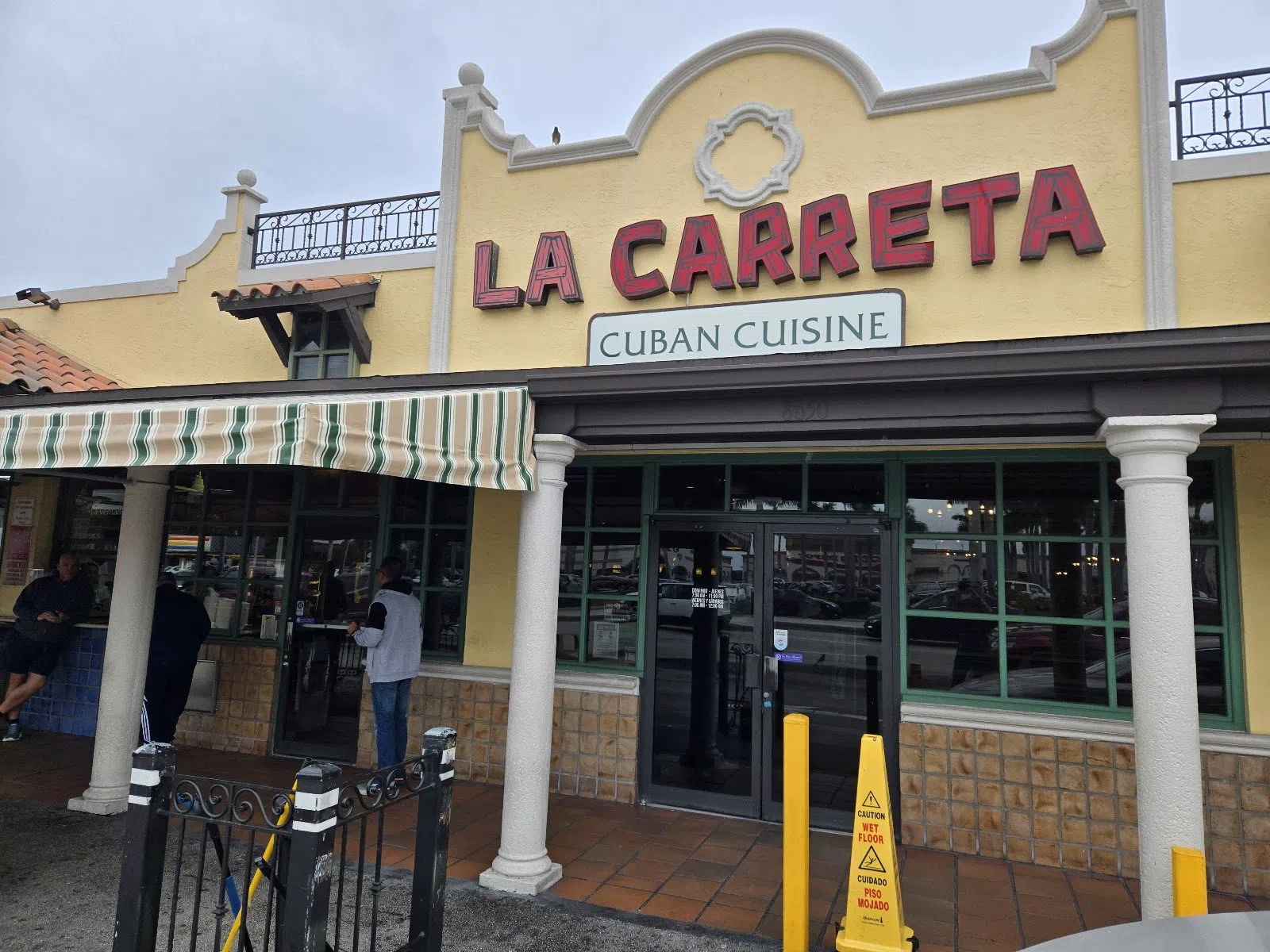
For the version locals actually reach for on an ordinary Wednesday, cross town to La Carreta (Bird Road). This is a high-volume window built purely for turnover — the Bird Road location is the liveliest of the chain's Miami spots, and the rhythm of colada-and-thimble-cups here is the everyday heartbeat rather than the tourist photo. Groups are welcome and served without ceremony; the cafecito is again about $1.50. Where Versailles is the monument, La Carreta is the routine, and drinking a cafecito at both, ideally a day apart, teaches you the difference between Miami's Cuban coffee as spectacle and as habit.
Walking Calle Ocho, window to window
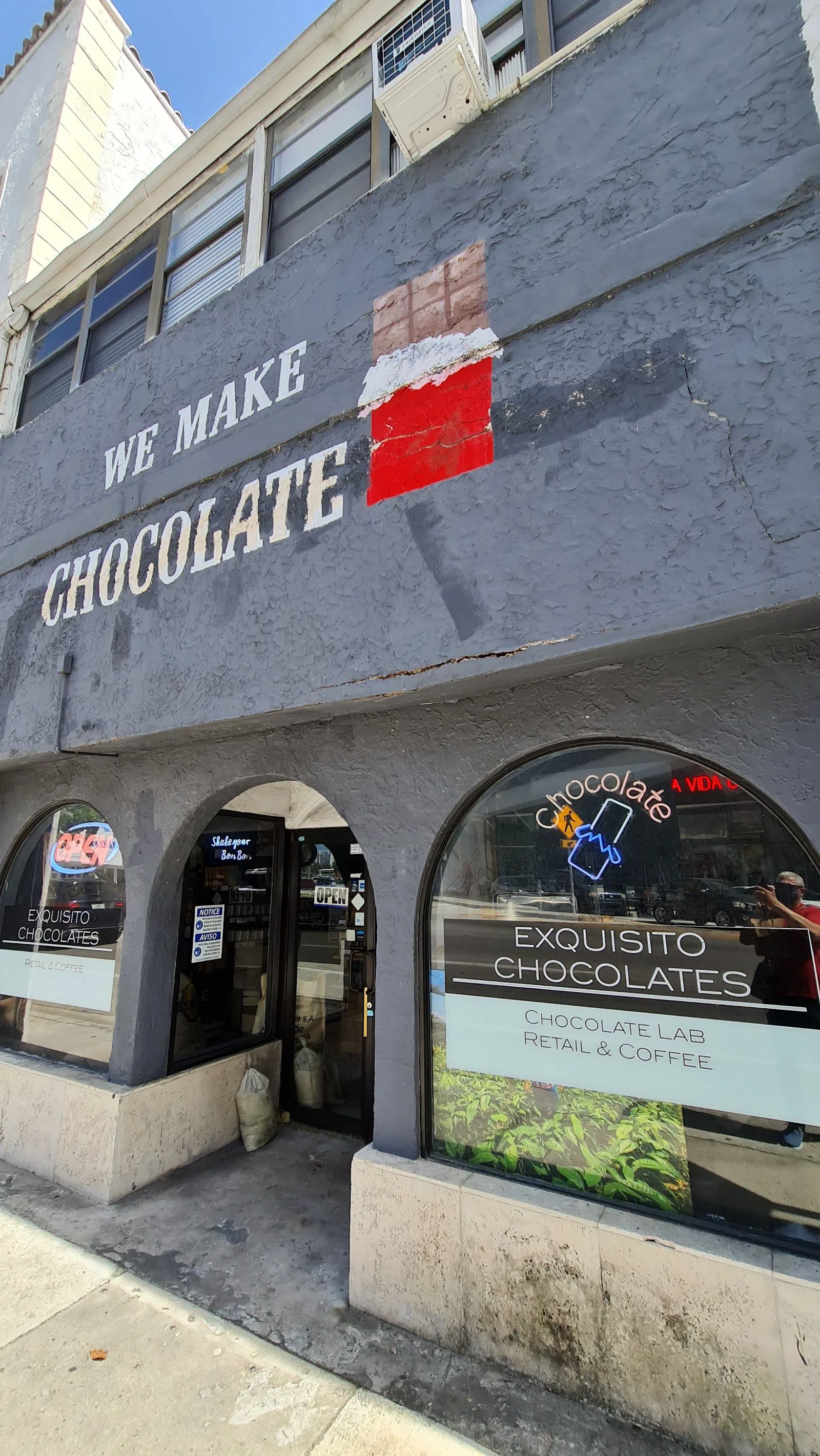
Little Havana's main artery, Calle Ocho (Southwest 8th Street), is where you can do the whole ritual on foot, one window bleeding into the next. Anchor your walk at El Exquisito (Little Havana), a coffee institution since 1974 with a sidewalk window and a small dining room behind it. Its position is the gift here: it sits beside the Tower Theatre and Domino Park, so you can order a café con leche for about $2 or a colada for around $1.50 and drink it while watching the domino games clatter on. Casual groups are fine, especially if you're pairing the coffee with a slow stroll rather than trying to seat everyone at once.
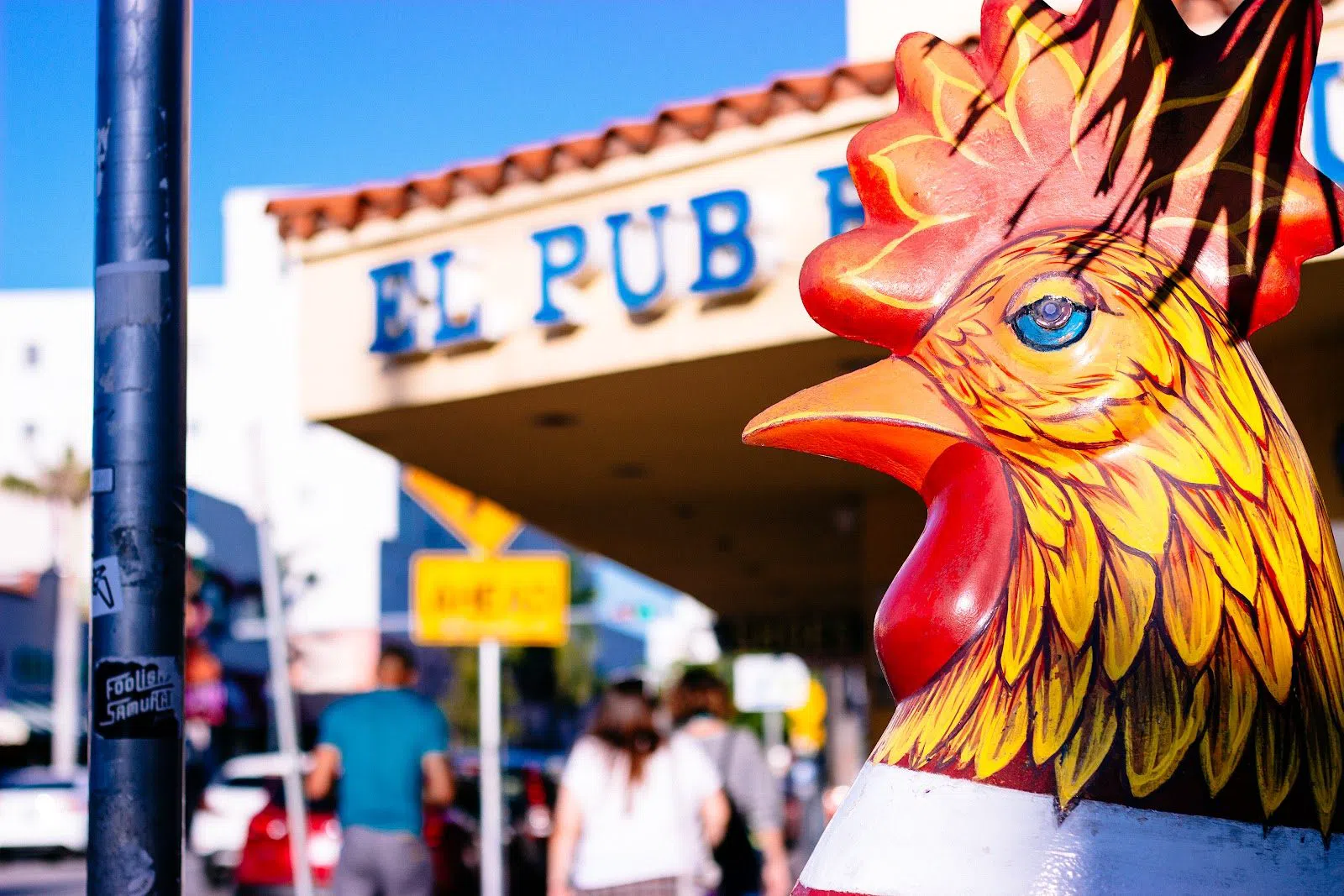
A block away, El Pub (Little Havana) is a forty-year Calle Ocho staple that the El Exquisito team revived, and it carries the same easy competence: a street ventanita out front plus a proper sit-down room behind, so it absorbs groups without strain. The cafecito is about $1.50, and the room leans into an old-world, time-stood-still atmosphere that makes it a good second stop when your legs want a bench. Because the two are sister spots a block apart, you can treat them as a pair — window at one, table at the other.
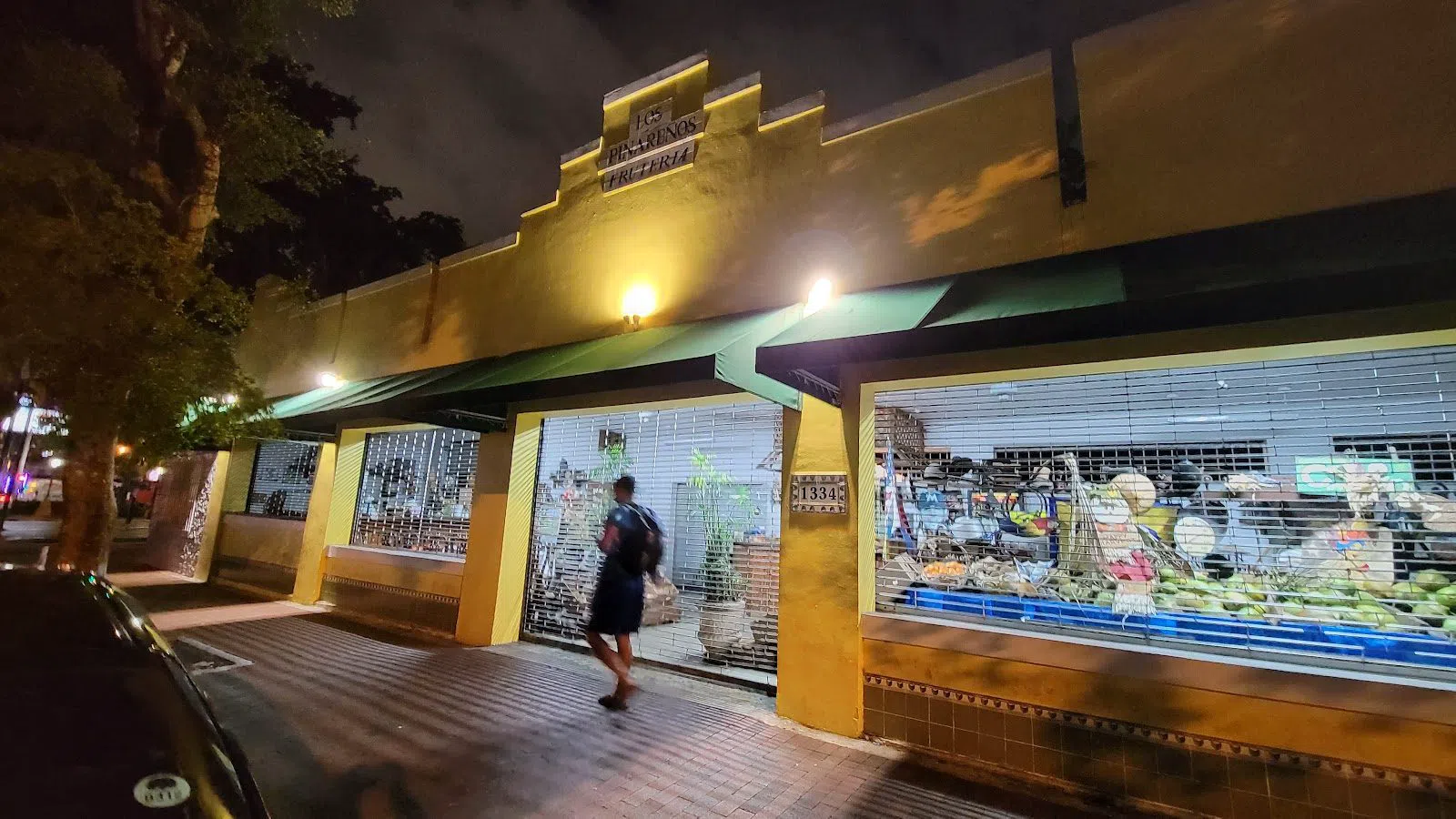
For the photogenic, tropical detour, duck into Los Pinareños Frutería (Little Havana), a family fruit stand that has been on Calle Ocho since 1963. This is an open-air market stand, not a café, so the move is a cafecito (about $1.50) alongside a fresh mango batido or a cup of guarapo, the pressed sugarcane juice — batidos and juices run roughly $4–6. Small groups browse and sip here comfortably, but note the practical catch: it keeps weekday hours and is closed Sundays, so it won't rescue a lazy Sunday-morning craving.
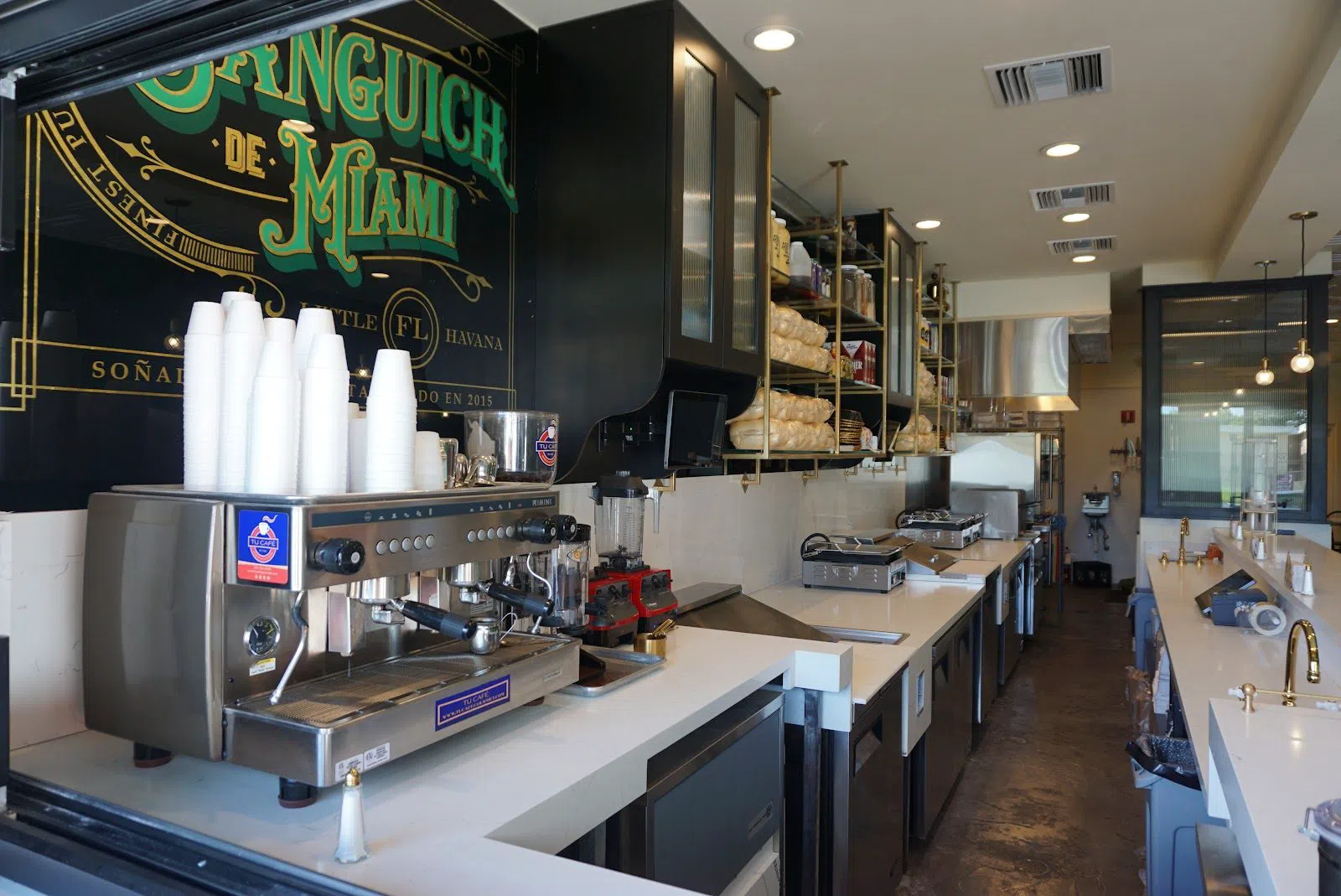
The new-guard entry on the strip is Sanguich de Miami (Little Havana), a lovingly restored ventanita with a vintage look and counter seating. It's genuinely stylish and the colada batido — a frappé-style take pairing the classic coffee with ice, about $5 — is worth ordering, but I'll be honest about the trade-off: this place is best known for its Cuban sandwiches ($12–15) and it draws a line at peak hours. Groups fit, but arrive off-peak (mid-afternoon, well after the lunch rush) if you don't want to queue. As a couple wanting one beautiful coffee-and-sandwich sit-down on the walk, it's ideal; as a group of ten at 1 p.m., it will test everyone's patience.
For the coffee obsessives
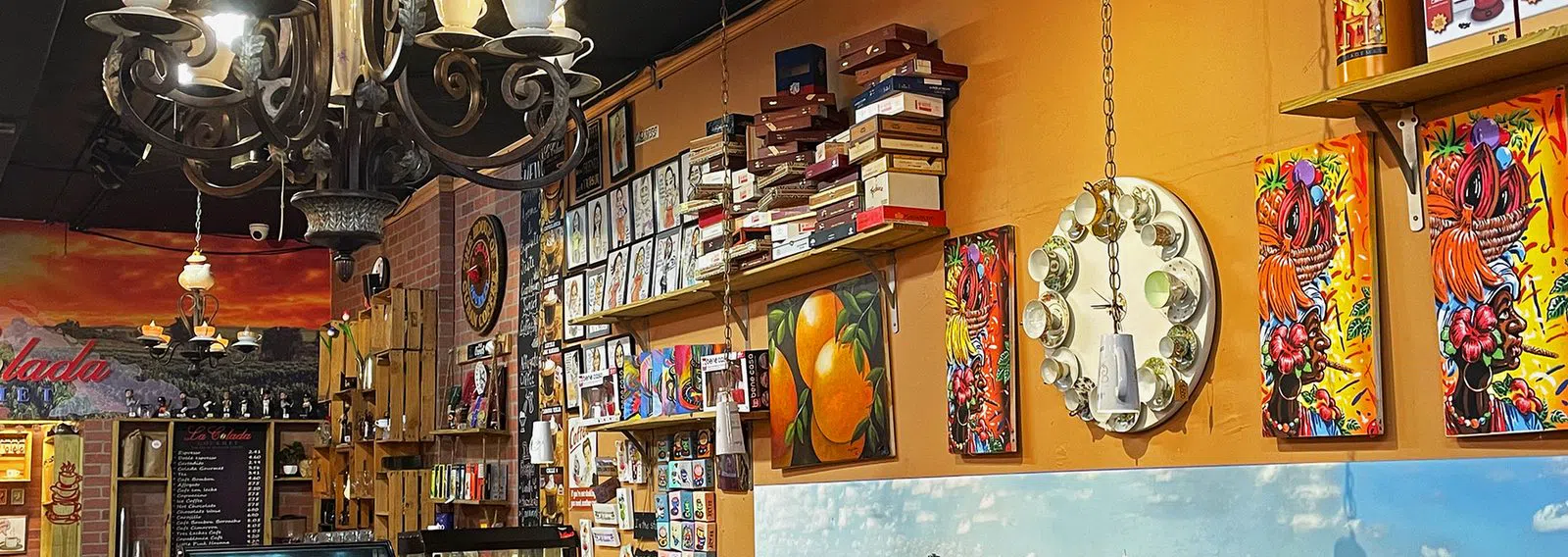
If you want to go past the classic cafecito and taste what happens when someone treats Cuban coffee as a craft, two rooms reward the detour. La Colada Gourmet (Little Havana) is a family-run specialty roaster, going since 2016, with more than twenty recipes on the board and specialty cortaditos in the $3–5 range. It's the modern, coffee-nerd take — a place to compare preparations rather than knock back a single shot and go. The room is cozy and fills fast, so a couple or a pair of friends fits easily; a larger group is far more comfortable arriving mid-morning before the seats vanish.
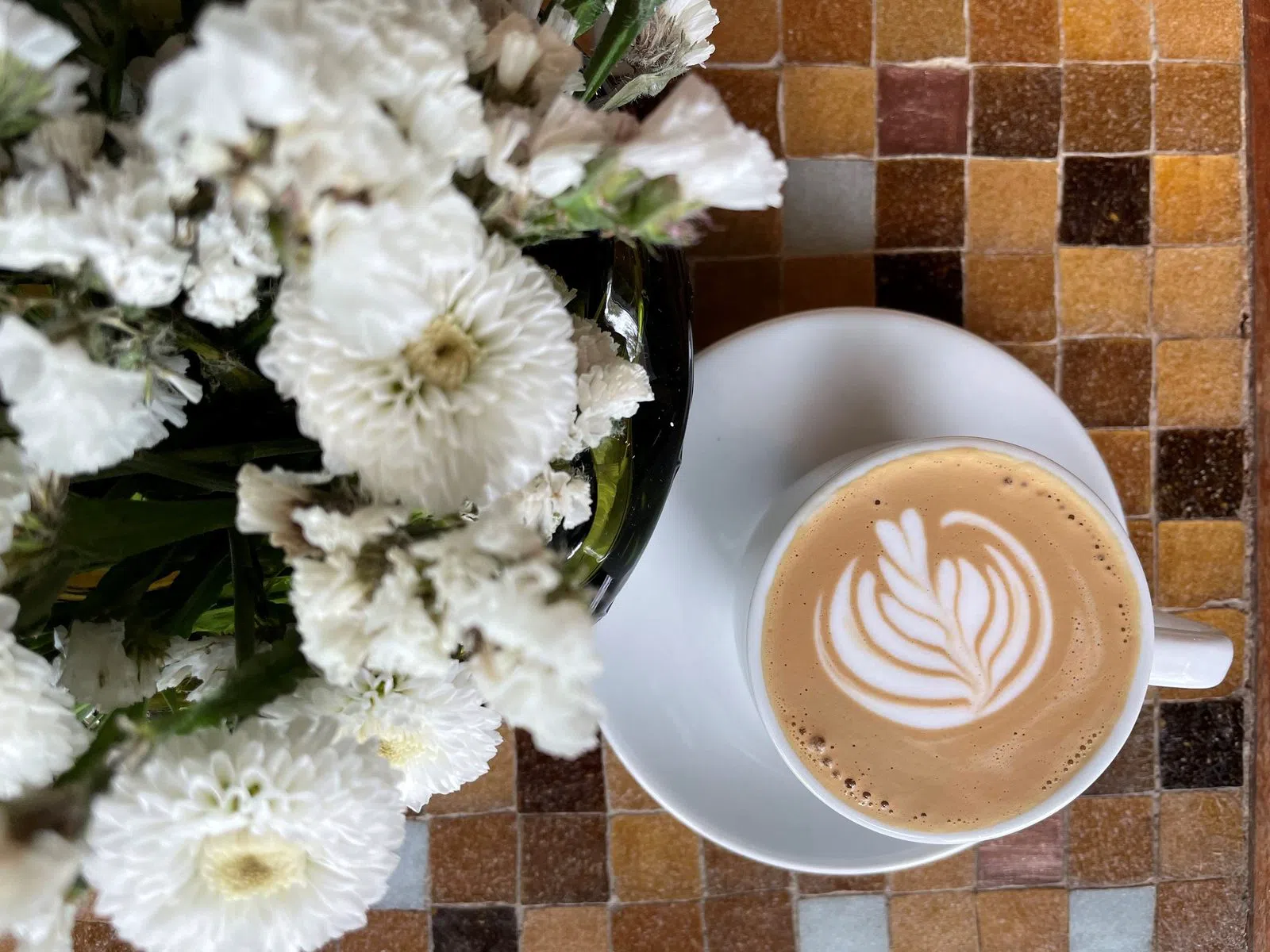
The calm, seated counterpoint to all that standing is Tinta y Café (Coral Gables), a mid-century-style café that earned a MICHELIN Bib Gourmand. This is the place to actually sit — indoor tables and a shaded patio — and let a café con leche and a pastelito stretch across half an hour; reckon on about $8–12 for the pairing. It's the most comfortable spot in this guide for a small group that wants to linger and talk, and the natural choice when you've had your fill of sidewalks and want a chair, a table, and no one rushing your cup.
Bakery counters: cafecito with something folded in butter
The truth is that a great deal of Miami's daily cafecito is pulled not at a restaurant window but at a bakery counter, ordered alongside a warm pastelito. Miami's original is Vicky Bakery (multiple locations), running since 1972 and now spread across more than thirty Florida counters, which makes it the single most accessible stop in this guide — there's almost always one near wherever your itinerary already is. A cafecito is about $1.50 and pastelitos, the flaky guava-or-cheese pastries, run about $1.50 each. Groups grabbing coffee and a box of pastries to go are exactly what these counters are built for.

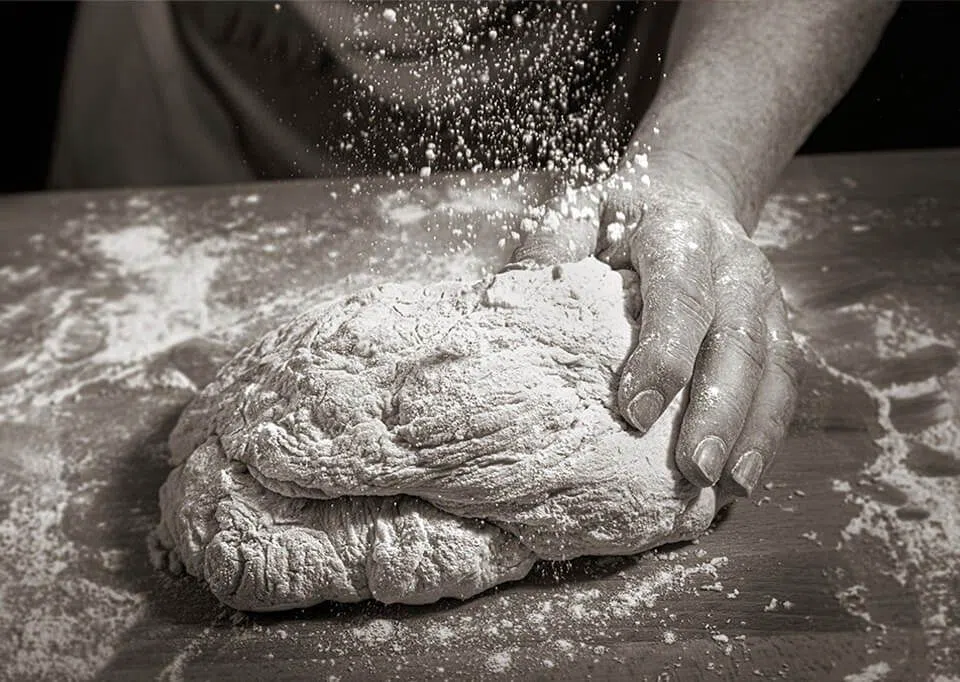
For something more neighborhood and off the tourist trail, Karla Bakery (on Flagler) is a genuine local beating-heart bakery with a working cafecito counter, coffee around $1.50–3. It's casual and authentic, fine for a small group grabbing coffee and pastries to carry out, and it feels like the Miami that isn't performing for anyone.
Worth a deliberate trip out of the tourist core is Islas Canarias Café, Restaurant & Bakery (Westchester), beloved since 1977 and famous for what many locals will argue are the city's best croquetas. This is a large bakery-restaurant with ample seating, genuinely well suited to groups and families, where the play is coffee plus croquetas for roughly $6–10. I've made the drive for the croquetas more than twice and would again; the cafecito to go with them is the easy part.
Beyond Little Havana
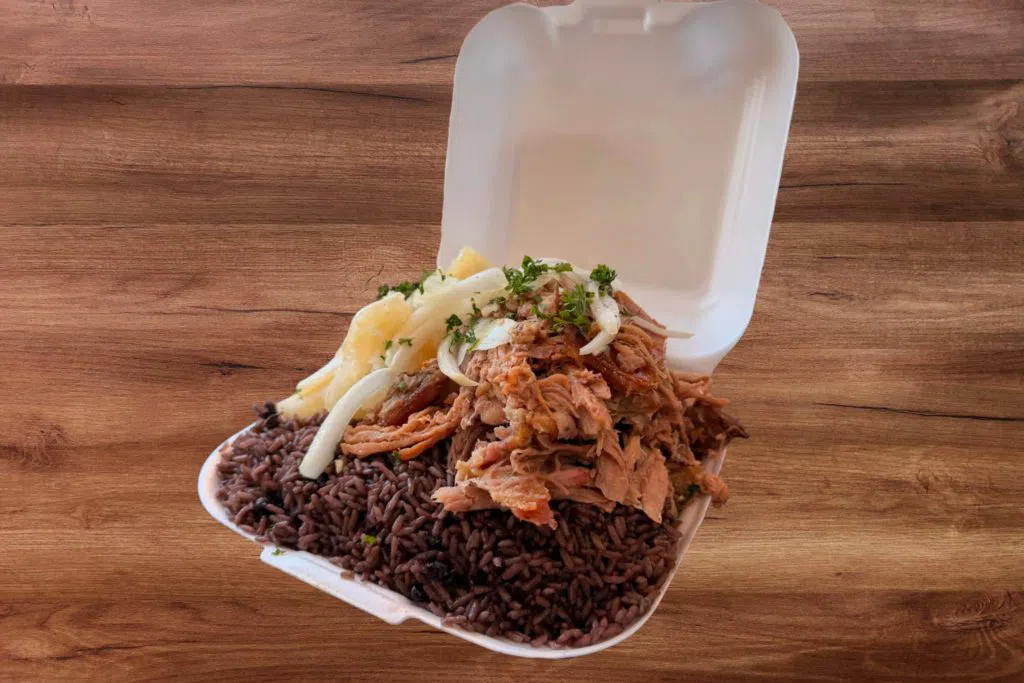
Not every great cup is on Calle Ocho. El Palacio de los Jugos (Flagler / West Miami) is a sprawling, raucous Cuban market that's been going since 1977, with picnic-style seating and the full sensory chaos of Miami food culture — a cafecito for about $1.50, fresh juices around $4, and the option to build a whole Cuban plate around it. It is loud, deeply local, and perfect for an adventurous group; it is not the spot for a quiet, intimate coffee.
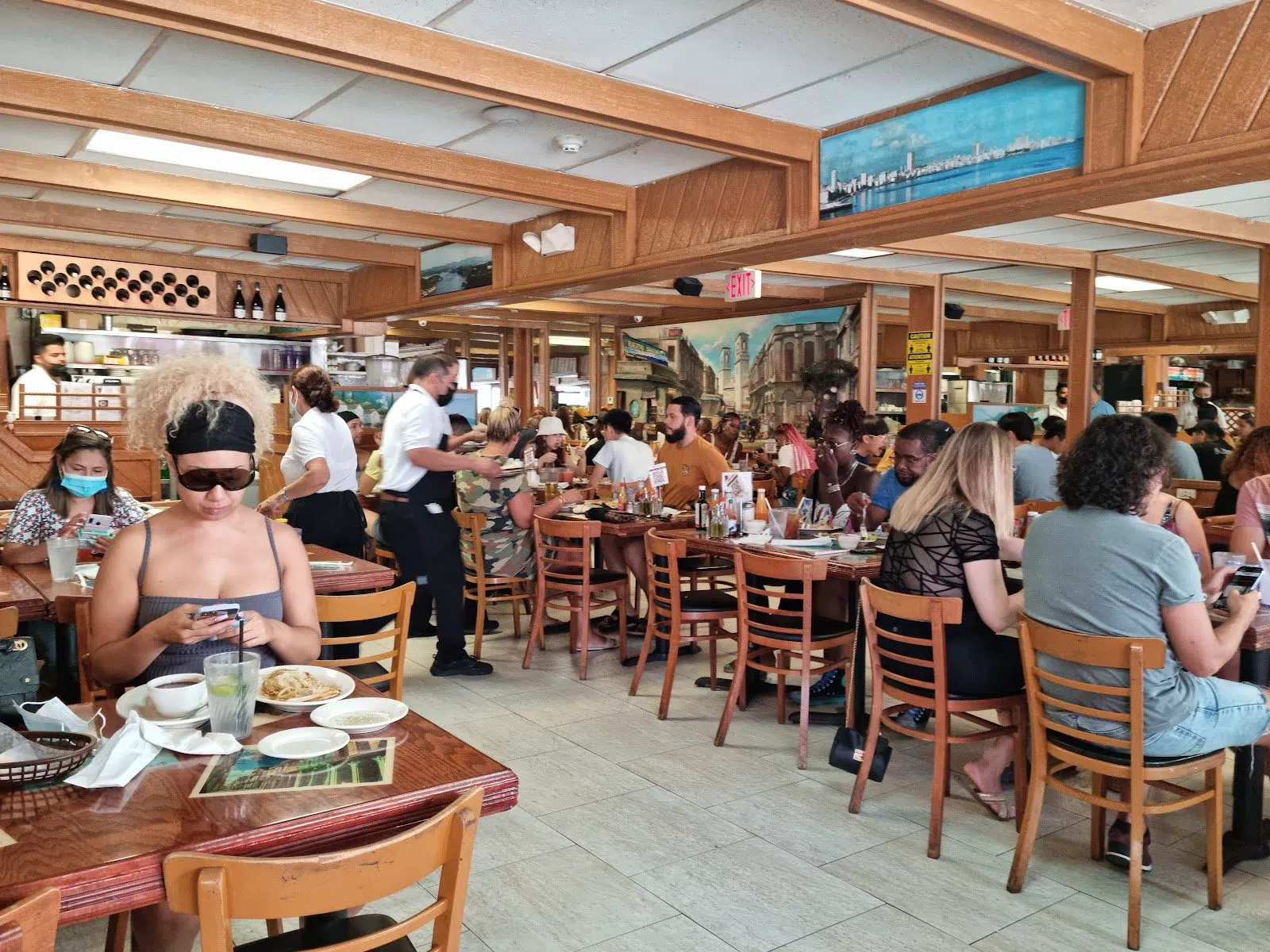
And if your hotel is on the sand rather than in Little Havana, you are not cut off from a proper cup. Puerto Sagua (South Beach) is a 1960s holdout, a sit-down Cuban diner with a counter and booths, serving a proper café con leche for about $3 (mains $12–18). It's one of the very few authentic Cuban coffee stops on Miami Beach, comfortable for groups, and the reliable answer when the craving hits and you don't want to cross a causeway.
Practical notes
Timing. The classic ventanita hour is mid-afternoon, around 3 p.m., when the after-lunch cafecito run peaks — go then for the full ritual and the biggest crowds, or earlier for calm. Mornings are for café con leche and toast; the shared colada is an afternoon animal. Remember that Los Pinareños closes Sundays and keeps weekday hours.
Getting around. Little Havana's Calle Ocho stops — Versailles, El Exquisito, El Pub, Los Pinareños, Sanguich — are genuinely walkable as a loop, so park once or arrive by rideshare and do them on foot. La Carreta (Bird Road), Islas Canarias, El Palacio de los Jugos, and Tinta y Café in Coral Gables need a car or a short rideshare; Puerto Sagua is your standalone answer over on Miami Beach. Miami is a driving city and the coffee stops are spread out, so plan clusters rather than one long chain.
Cash. Many ventanitas move fast and some favor cash, especially for a $1.50 cafecito — carry a few small bills and you'll never be the person holding up the window. Tip a little in the jar; the coffee is cheap and the pours are generous.
Budget. This is one of the great cheap pleasures of any world city: a cafecito is about $1.50, a shared colada around $3, a cortadito or specialty pour $3–5, and a coffee-plus-pastry pairing $6–12. You could taste your way across five windows for the price of one hotel breakfast.
Where to stay. If you want to be near the action, basing yourself in or around Little Havana or Coral Gables puts most of these windows within a short hop; a Miami Beach base still gives you Puerto Sagua on your doorstep. Compare rooms and neighborhoods with a Miami hotel search and build your ventanita crawl outward from wherever you land.
Before you go
What's the difference between a cafecito, a colada, and a cortadito?
A cafecito is a single small shot of sugar-whipped Cuban espresso (about $1.50). A colada is that same coffee in a larger to-go cup, roughly $3, served with tiny plastic cups so a group can share. A cortadito is a cafecito cut with a little steamed milk — softer, and a common mid-morning order at around $3–5 for specialty versions.
How much does a cafecito cost in Miami?
Very little. A classic cafecito runs about $1.50 at nearly every ventanita and bakery counter, a shared colada around $3, and a specialty cortadito $3–5. A coffee-and-pastry pairing lands around $6–12. It's one of the cheapest genuine pleasures in the city.
When is the 'ventanita hour' and when should I go?
The classic run peaks mid-afternoon, around 3 p.m., when locals grab a shared colada — go then for the full ritual and the liveliest crowds, or earlier for a calmer window. Mornings are better for café con leche with buttered Cuban toast. Note that Los Pinareños Frutería keeps weekday hours and closes Sundays.
Do I need to speak Spanish to order at a ventanita?
No. Learning four words — cafecito, colada, cortadito, café con leche — covers you at every window in this guide, and staff at busy spots like Versailles and La Carreta serve visitors constantly. A friendly greeting is welcome, but you'll be understood in English.
Can I get authentic Cuban coffee if I'm staying on Miami Beach?
Yes. Puerto Sagua in South Beach is a 1960s Cuban diner serving a proper café con leche for about $3 — one of the few authentic Cuban coffee stops on the beach side, so you don't have to cross to Little Havana for a real cup.